Where we work
Drainage and leveling service areas
Based in Pflugerville, we fix yard drainage and sunken concrete across Travis, Williamson and Bastrop Counties, from the Blackland Prairie clay east of I-35 to the limestone edge near Cedar Park and Leander.
Drainage service from Pflugerville outward
Our home base is Pflugerville, between I-35 and SH 130 in northern Travis County. From there, the area we cover runs north up I-35 to Round Rock and Georgetown, northeast along US-79 to Hutto and Taylor, and east along US-290 to Manor and Elgin. To the south and west, it takes in northeast Austin, Wells Branch, Brushy Creek, Cedar Park and Leander.
These towns share a lot. Most have grown fast, with many homes built on slabs in the last few decades, and most deal with Central Texas swings between drought and heavy rain. But the ground under them is not the same. A yard in Hutto and a yard in Leander can have almost opposite drainage problems. Each town page covers the soil, creeks, housing and local rules we see there.
Pflugerville is home base, in the northern part of Travis County. Pflugerville, Manor and northeast Austin sit east of I-35 on the Blackland Prairie, where deep, dark clay is the rule. The land is mostly gentle and flat, drained by Gilleland Creek and Wilbarger Creek, so the hard part is usually getting water to move at all. Many homes here are on slabs poured over fill, and settled walks, sunken patios and soggy back yards are common calls.
- Pflugerville Pflugerville is our home base, a Travis County suburb built on shrink-swell clay where gutters, grading and creek-side lots decide whether a yard stays dry. We handle yard drainage and concrete leveling across town. Drainage in Pflugerville
- Manor Manor is where the Houston Black soil series was first described, and its clay shows. We handle wet yards and sinking concrete in the old railroad town and the new subdivisions off US-290. Drainage in Manor
- Northeast Austin Northeast Austin blends older neighborhoods and new subdivisions on clay that swells and shrinks with the weather. We install drainage and level sunken concrete for homes from the US-290 corridor out toward Pflugerville. Drainage in Northeast Austin
Williamson County covers both sides of the soil line. Hutto and Taylor, out along US-79, are deep in Blackland Prairie clay. Round Rock and Georgetown sit along I-35, roughly where the Balcones fault zone separates the clay prairie to the east from limestone country to the west, so soil can change across town. Cedar Park, Leander and Brushy Creek lean toward the limestone side, with thinner soil over rock and pockets of clay. Brushy Creek and the San Gabriel River are the main waterways.
- Round Rock Round Rock straddles the Balcones Fault, so one side of town sits on Blackland clay and the other on thin limestone soil. We match the drainage fix to the ground under your yard. Drainage in Round Rock
- Hutto Hutto grew from a cotton railroad stop into a fast-building suburb on Blackland Prairie clay. We fix soggy yards and sunken concrete in both the old town and the new subdivisions. Drainage in Hutto
- Georgetown Georgetown sits where the Hill Country meets the Blackland Prairie along the San Gabriel River. We tailor drainage and concrete leveling to the rock or clay under your lot. Drainage in Georgetown
- Taylor Taylor is an old railroad and cotton town on flat Blackland Prairie clay. We fix soggy yards, tilted walks and sunken slabs at historic homes and in newer neighborhoods alike. Drainage in Taylor
- Brushy Creek Brushy Creek homes sit along the creek that gives the community its name, on soil that shifts between clay and limestone-influenced loam. We provide drainage fixes and concrete leveling for its creekside and subdivision lots. Drainage in Brushy Creek
- Cedar Park Cedar Park sits west of the Balcones Fault, where thin soils lie over limestone and pockets of clay swell and shrink. We handle drainage fixes and concrete leveling for its hillside and subdivision lots. Drainage in Cedar Park
- Leander Leander sits on the Balcones Escarpment, where thin soil covers limestone and clay pockets move with the weather. We install drainage and level settled concrete for its fast-growing neighborhoods. Drainage in Leander
Elgin sits on US-290 east of Manor, near the eastern edge of the Blackland Prairie. Clay is common in and around town, and the ground starts to shift toward the sandier post oak country farther east. That mix means two lots a short drive apart can drain very differently, so we check the soil on each property instead of assuming.
Wells Branch is a north Austin community between MoPac and I-35, close to SH 45, and its area reaches toward the Travis and Williamson County line. It is an established neighborhood with mature trees, fences and patios that have changed how water moves since the lots were first graded. Tree roots and older flatwork near walks add concrete leveling and crack sealing to the usual drainage calls.
Clay to the east, limestone to the west
I-35 runs close to the Balcones fault zone, an old break in the earth that splits this region in two. East of the highway is the Blackland Prairie. Its deep, dark clays, like the Houston Black series, have a very high shrink-swell potential. They take in rain very slowly, swell when wet and crack open in drought. Here, the main job is getting surface water to move and keeping moisture steady around slabs and flatwork.
West of the highway, the land climbs toward the Edwards Plateau. Around Cedar Park and Leander, soil is often thinner, with limestone close to the surface and pockets of clay in between. Water runs off faster, so the problem is more often runoff from uphill lots and driveways. Trenches can hit rock, which changes how drains are built and what they cost. Those clay pockets can still move concrete.
Some towns sit right on the line. Parts of Round Rock and Georgetown are on prairie clay and parts are on limestone, and Wells Branch is close to the highway as well. In these places, we never assume. We look at the soil on your lot before suggesting a fix.
City and HOA rules vary from town to town
Drainage work touches property lines, streets and shared drainage paths, so it often runs into local rules. Those rules change from one city to the next and from one HOA to the next. Use these as a checklist, and confirm the details with your city and HOA before work starts. Any digging also requires a call to Texas811 first.
City rules
Each city sets its own rules for drainage and grading. Some cover how a yard drain can connect to the curb, how close work can come to a property line or whether a permit is needed for larger grading jobs. Call your city before work starts, since the rules in Round Rock are not the same as the rules in Pflugerville or Hutto.
HOA approval
Most newer neighborhoods in the area have an HOA, and many want to review changes to grading, landscaping, visible drains and pop-up emitters near the street. The approval process can take a few weeks. Get the request in early, and keep a copy of the approved plan.
Drainage easements
Many lots have a drainage easement along the back or side line, where the city or the neighborhood has a right to move stormwater. Fences, beds and drains placed in an easement may need approval, and blocking it can cause trouble for you and your neighbors. Your plat or survey shows where the easements are.
Neighbor runoff
Texas Water Code Section 11.086 says a person may not divert or impound the natural flow of surface water in a way that damages another person's property. A good drainage plan sends water to the street or another safe outlet, not onto the yard next door. For disputes, talk to a lawyer.
How your location shapes the fix
Flat prairie lots
Much of the land around Pflugerville, Hutto and Manor is close to flat. On clay, even a small low spot holds water for days. Getting enough slope to move water to the street is often the main challenge, and surface drains tend to work better than relying on the soil to soak water up.
Creeks and low ground
Gilleland Creek, Wilbarger Creek, Brushy Creek and the San Gabriel River drain this region. Homes near these creeks or near Lake Pflugerville may sit close to floodplain or drainage easements, where city rules can be stricter. Yard drains will not stop creek flooding, so check your flood risk separately.
Rocky hillside lots
In Cedar Park and Leander, homes uphill can send runoff across the yards below, and limestone near the surface limits how deep a trench can easily go. Interceptor drains, swales and channel drains at the bottom of driveways are common fixes on this kind of ground.
Age of the neighborhood
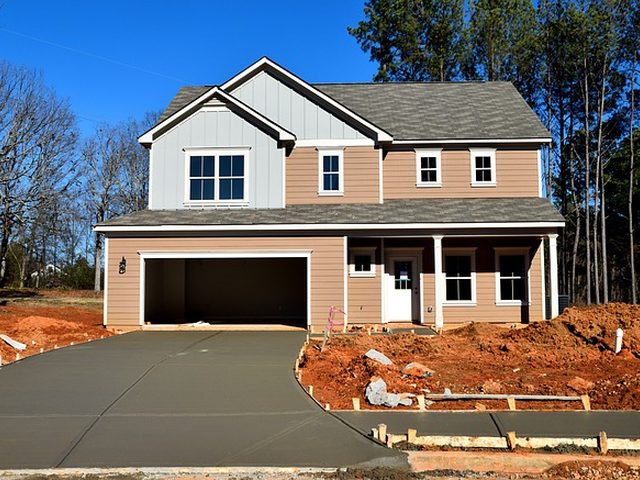
Newer subdivisions often have settling fill soil and grading that was only just enough. Older areas tend to have mature tree roots under walks, patios added over the years and gutters that drain where nobody planned. Both need drainage help, but for different reasons.
Service area FAQs
More answers are on our FAQ page, and every service is listed on our services page.
Do you only work in the towns listed here?
These are the areas we focus on, centered on Pflugerville. Many homes sit between these towns or just outside city limits, in unincorporated parts of Travis and Williamson Counties. If you live near one of the towns on this page but are not sure we reach your street, call and ask. We will tell you either way.
Why does soil matter so much for drainage?
Soil decides how fast water soaks in and how much the ground moves. Blackland Prairie clay east of I-35 takes in water very slowly and swells and shrinks a lot, so surface drainage and slope matter most there. West of I-35, around Cedar Park and Leander, thinner soil over limestone sheds water quickly and can make trenching harder. The right fix depends on which kind of ground you have.
How do I find out if my lot has a drainage easement?
Look at the survey you got when you bought the home, or the recorded plat for your subdivision. Easements are usually drawn as strips along the back or side lot lines, with a label. Your county records office or city can often look up the plat. Your HOA may also have a copy. Knowing where the easement runs helps plan where drains and outlets can go.
Does my HOA have to approve a French drain?
It depends on your HOA. Some only care about work that can be seen from the street, like pop-up emitters or a new curb outlet. Others want to review any change to grading or landscaping. Read your deed restrictions and design guidelines, or ask the management company. When approval is needed, it is much easier to get before work starts than after.
Is the drainage different in new subdivisions?
Often, yes. New lots are graded by the builder to move water toward the street or a swale, but fill soil keeps settling for a few years, and sod, fences and patios can block the original paths. Homes in fast-growing areas around Hutto, Manor and Pflugerville often see their first drainage problems in the first few years after move-in.
Not sure if we reach your street?
If you live near any of these towns, call and tell us your address. We will let you know if we can help.