Pflugerville & the Northeast Austin Suburbs
Yard Drainage & Regrading
Yard drainage work reshapes the ground so rain leaves your lot instead of settling in it. In the clay suburbs around Pflugerville, small changes in slope often decide whether water drains toward the street or toward your slab. This page explains how regrading and swales work, what they cost, and how to tell a grading problem from a plumbing one.
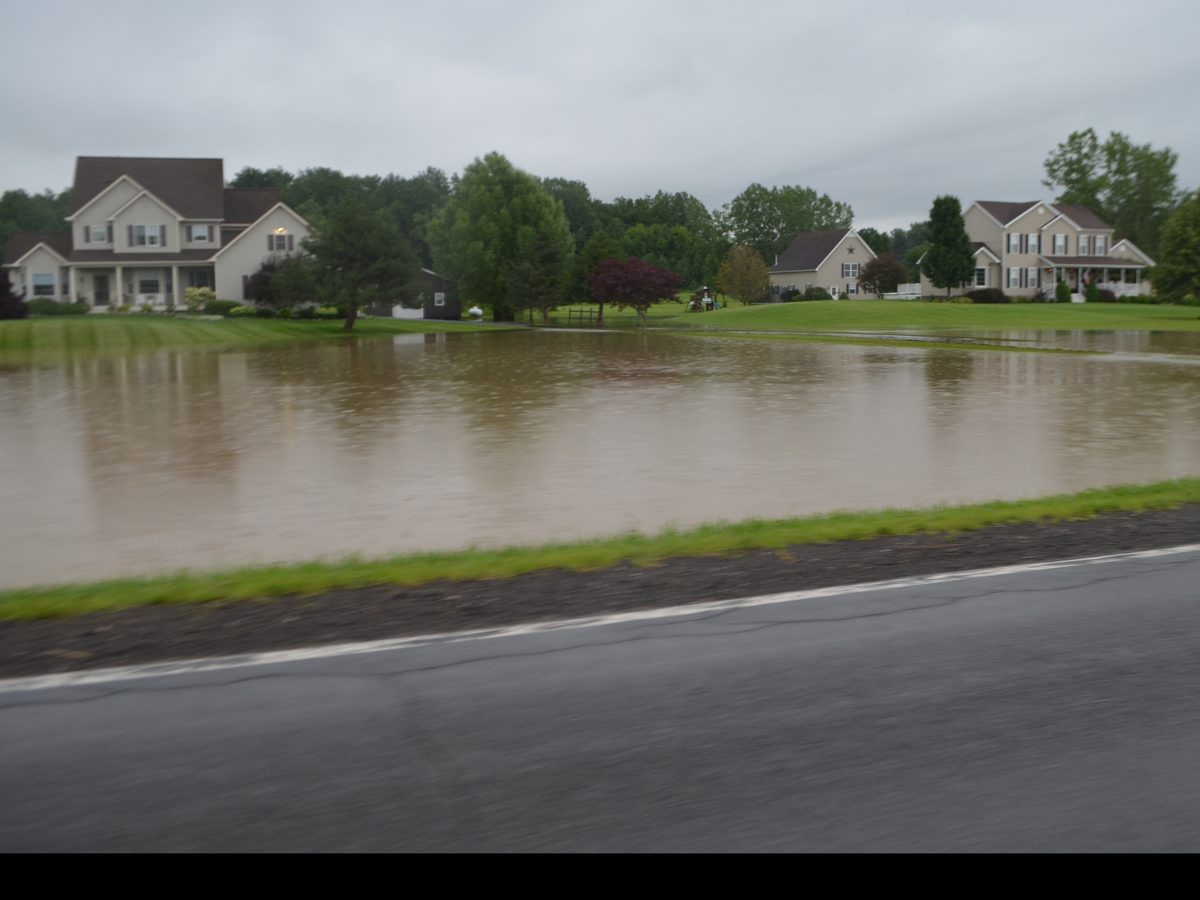
Every yard has a drainage plan, whether anyone designed it or not. When a home is built, the lot is shaped so that rain runs away from the foundation, across the lawn, and toward the street, a swale, or a storm inlet. Over the years that shape erodes. Soil settles near the slab, mulch beds pile up against siding, a new patio blocks an old path, and a fence or a neighbor's raised yard changes where water wants to go. Yard drainage and regrading work puts the shape back, or builds a better one, so water has a clear and gentle route off the property instead of lingering where you do not want it. Think of it as repairing the lot's original job rather than adding something new.
Slope is the heart of the matter, and the numbers are small. Building guidance commonly calls for the ground to fall about six inches over the first ten feet away from a foundation, which is roughly a five percent slope. Past that, a lawn can drain well with a much gentler one or two percent grade. Many older yards in Pflugerville and Round Rock have the opposite: a flat or backward grade right beside the house, where mulch, landscape edging, and settled backfill have built a shallow bowl. Even an inch or two of reversed slope along a wall is enough to send runoff back toward the foundation, and you can often spot it by watching where water darkens the soil after a storm. A simple string line and a tape measure will show you the pattern.
The clay under most of this region makes grading more important than it would be elsewhere. Blackland Prairie soils east of I-35, including Houston Black clay, swell when wet and shrink when dry, so the ground itself moves from season to season. Water that pools next to a slab keeps the soil beside it wet, while the soil under the middle of the house stays drier, and that uneven moisture is hard on a foundation. Keeping water moving away from the house is the most affordable way to even out those swings. It does not replace a structural repair, but it removes one of the main reasons that movement keeps happening again and again. That is why grading is often the first fix we look at.
Regrading is rarely a bulldozer job. On most residential lots it is careful work with a small skid steer or a hand crew, adding or removing a few inches of soil, building up low spots, and cutting a shallow swale where runoff needs a lane. A swale is a wide, gently dished channel, often grassed, that carries water along a property line or between houses. Some swales run on a shared lot line, so changes there can affect neighbors. Under Texas Water Code Section 11.086, you generally cannot divert or impound surface water in a way that damages another person's property, so the design should keep the water in its natural direction and send it to a lawful exit. Always confirm where the water will go before the first shovel of soil moves.
Not every wet yard is a grading problem, and that is worth checking before anyone digs. A patch that stays soggy even in dry weather can point to a leaking irrigation valve, a cracked supply line, or a slab leak, which a plumber or irrigation specialist should evaluate. A flat lot with no fall at all may need more than surface work, such as a French drain, a catch basin, or a dry well. Downspouts that dump at the foundation are another common source. A quick test is to run a hose on a dry day at the suspect area and see whether the water moves away or sits there, then compare that with where the yard stays wet after rain. That small test often saves a homeowner from paying for the wrong repair.
Rules and approvals matter more than most homeowners expect. Many cities in Travis and Williamson Counties have lot grading standards, and some neighborhoods have drainage easements recorded along rear or side lot lines. Altering the grade inside an easement can require city approval, and an HOA may need to review changes that affect the look of the lot. These details vary by city, so check with your city or HOA before work begins. Calling Texas811 at least two business days before any digging is also required, and it protects you from striking a buried line while reshaping the yard. A good plan covers the rules, the utilities, and the slope together before any soil moves. Keep copies of approvals for future buyers.
Signs you may need yard drainage & regrading
- Water pooling within a few feet of your foundation after rain
- Soil that slopes toward the house instead of away from it
- Mulch or soil piled above the bottom of your siding or brick
- Bare patches or erosion lines where water runs across the lawn
- A yard that stays muddy or squishy for days after a storm
- Water entering the garage or crossing a driveway toward the slab
- A neighbor's yard sitting higher and sending water to your lot
Yard Drainage & Regrading on clay-soil lots
Pflugerville, Hutto, Manor, and Taylor sit on or near Blackland Prairie clay, where soil swells and shrinks enough to crack lawns in August and hold water in March. Grading here has to account for seasonal movement, so fill should be compacted in lifts and the finished slope should be a little steeper than the minimum.
Many neighborhoods built through the 2000s and 2010s were graded as tightly as the builder could manage, with short lots and small side-yard swales shared between houses. When a neighbor adds a fence, shed, or raised bed, that swale can clog. Clear the swale, and talk with the neighbor early, before a small blockage becomes a flood.
Lots along Gilleland Creek, Brushy Creek, and Wilbarger Creek may include drainage easements or sit within a mapped floodplain. Grading there is more restricted, and filling in a floodplain can be regulated. Do not add soil near a creek bank without checking with your city first. Flood rules protect neighbors downstream.
Heavy storms in Central Texas can drop several inches of rain in a few hours, which overwhelms a flat yard. Gentle grades that look fine in a light rain can fail in a downpour, so we design swales and low spots for the intense, short storms common here, not the average rain.
West of I-35, in Cedar Park and Leander, shallow limestone can sit a foot or two below the surface. That limits how deep a swale or trench can go, and it changes how water moves under the lawn. Always confirm the soil on your own lot instead of assuming it matches a neighbor's.
Our yard drainage & regrading process
- 01
Observe how water moves
The most useful information comes from the water itself. We look at the lot after rain, mark where water enters, pools, and leaves, and note downspout locations, neighboring grades, and fence gaps. Your photos and notes from past storms help us see what a dry-day visit cannot. We also check for signs of leaks that grading cannot solve.
- 02
Measure the grade
We shoot elevations with a laser or transit level across the yard and along the foundation. That tells us how much fall exists now and how much soil must move. We compare readings to the common guidance of about six inches of drop in the first ten feet from the house, then plan around what the lot allows.
- 03
Locate utilities and review rules
Texas law requires a call to 811 at least two business days before digging. We mark the work area and also look for private irrigation lines and easements. Any plan that touches an easement, a shared lot line, or an HOA-controlled feature is checked with the city or HOA before we start moving soil.
- 04
Reshape the ground
We pull mulch and topsoil back from the foundation, add compacted clean fill where low areas need building up, and cut swales where water needs a path. Soil is placed in lifts and compacted so it does not settle into a new bowl after the first heavy rain. The finish grade is checked again with the level.
- 05
Add structure where grading alone is not enough
Some lots need help from a catch basin, channel drain, French drain, or downspout extension to complete the water path. We tie these pieces into the new grade so water reaches a legal, safe outlet. Adding hardware only where the slope cannot do the job keeps costs reasonable and the yard looking natural.
- 06
Restore and stabilize the surface
Bare clay erodes quickly in a Texas downpour, so the new grade needs cover. We replace sod or seed with erosion control, and rake mulch back at a safe distance from the slab. We then walk the site with you and explain what to watch after the first two or three real rainstorms.
What affects the cost of yard drainage & regrading
Size of the area and amount of soil moved
A single corner regrade with a few cubic yards of fill is a small job. Reshaping an entire backyard, or building a long swale, takes more soil, machine time, and labor. Fill dirt is bought by the cubic yard and delivered, so the volume matters. General market prices vary widely, so treat any number as a ballpark and not a quote.
Access for equipment
A gate wide enough for a small skid steer keeps the job efficient. Where machines cannot reach, crews haul soil by wheelbarrow, which takes much more time. Pools, retaining walls, patios, and tight side yards all slow the work. Access is often the biggest variable between two lots of similar size. Ask what access is assumed.
Landscaping and restoration
Sod, plants, edging, and irrigation heads that sit in the work area must be moved and restored. Removing healthy turf and replanting adds cost, and so does protecting mature trees by keeping fill off their root zones. Choosing seed over sod, or re-using existing sod where possible, can lower the finishing bill. Ask for restoration to be priced separately.
Added drainage hardware
Regrading alone may be enough, or it may need a catch basin, a channel drain, a French drain, or buried pipe to complete the path. Each piece adds materials and labor, and long pipe runs add more. The best approach is usually to grade first and add hardware only where the ground cannot do the job.
Permits, easements, and approvals
Work in a drainage easement, near a creek, or changing the lot's overall drainage pattern may need city review. HOA approval can take time. The fees and delay vary by city, so check with your city or HOA early so the schedule and total cost include them. Ask early about timelines and fees.
Yard Drainage & Regrading FAQs
How much slope does my yard need to drain properly?
A common guideline is about six inches of drop over the first ten feet from the foundation, which is roughly a five percent slope. Beyond that zone, one to two percent is usually enough for lawn drainage. Local codes and builder specifications can differ, so confirm what applies to your lot with your city or building plans. A level survey on your lot gives exact numbers.
Will regrading fix a wet yard by itself?
Sometimes. If rain runs off your lot but settles in low spots, building up the low areas and shaping a clear path often solves it. If the lot is flat, the soil is saturated, or there is no legal outlet, grading alone may fall short. Pairing it with a French drain or catch basin often gives a complete fix. A site visit shows which combination fits.
Can I change the grade if it sends water to my neighbor?
Be careful. Texas Water Code Section 11.086 says you may not divert or impound the natural flow of surface water in a way that damages another person's property. A grading change should keep water moving in its natural direction. If you have a dispute with a neighbor, a lawyer can advise you. This is general information and not legal advice. Document the problem with dated photos.
Do I need to call 811 for a regrade?
Yes, when the work involves digging, and that includes shaping soil with equipment. Texas law requires notice to Texas811 at least two business days before digging, weekends and holidays excluded. Utilities mark their public lines for free. Tell the crew about private lines like irrigation, because those are usually not marked. Call early to protect your schedule. Ask the crew how they plan to avoid those lines.
Why does water pool by my foundation even though I have gutters?
Gutters collect roof water, but the downspouts still release it onto the ground. If they end next to the slab, or the soil beside the house has settled, the water pools there anyway. Extending downspouts several feet away or burying them, and rebuilding the slope near the wall, usually stops it. Check for clogged gutters and cracked splash blocks too. Checking all of those takes about an hour.
Can good drainage protect my foundation in clay soil?
It helps a great deal. On expansive clay, foundations suffer when soil near the edges stays wet while the soil under the middle dries. Keeping water away from the slab evens those swings out. It is not a structural repair. If you see widening cracks or sticking doors, a structural engineer should evaluate the house first. Drainage is a protective step, not a structural fix.
How soon after rain should I check my yard?
Walk the yard during or just after a heavy storm and take photos. Look for where water collects, where it runs, and how long it stays. Then check again after 24 and 48 hours. Water that is gone within a day is behaving normally for clay. Water that lingers for several days is worth having a pro evaluate. Photos with timestamps help a lot.
Does my HOA need to approve yard drainage work?
Many HOAs review changes to grading, fences, and visible hardscape, and some neighborhoods have recorded drainage easements. The rules vary from one community to another, and they differ too much to state for your street. Check with your city or HOA before work begins, and keep any approval in writing so there are no surprises later. A short email to the HOA is usually enough to start.
Yard Drainage & Regrading near you
- Yard Drainage & Regrading in Pflugerville
- Yard Drainage & Regrading in Round Rock
- Yard Drainage & Regrading in Hutto
- Yard Drainage & Regrading in Manor
- Yard Drainage & Regrading in Georgetown
- Yard Drainage & Regrading in Taylor
- Yard Drainage & Regrading in Elgin
- Yard Drainage & Regrading in Wells Branch
- Yard Drainage & Regrading in Northeast Austin
- Yard Drainage & Regrading in Brushy Creek
- Yard Drainage & Regrading in Cedar Park
- Yard Drainage & Regrading in Leander
Water pooling or concrete sinking?
Call or send a request. We will look at where the water goes, check the grade and give you a written estimate.