Pflugerville & the Northeast Austin Suburbs
Driveway & Sidewalk Leveling
Driveway and sidewalk leveling lifts sunken concrete panels back to grade, so you do not have to demolish and repour. It removes trip hazards, restores drainage, and helps panels meet at the same height. We work on driveways, sidewalks and curb aprons, and we do not do structural foundation repair.
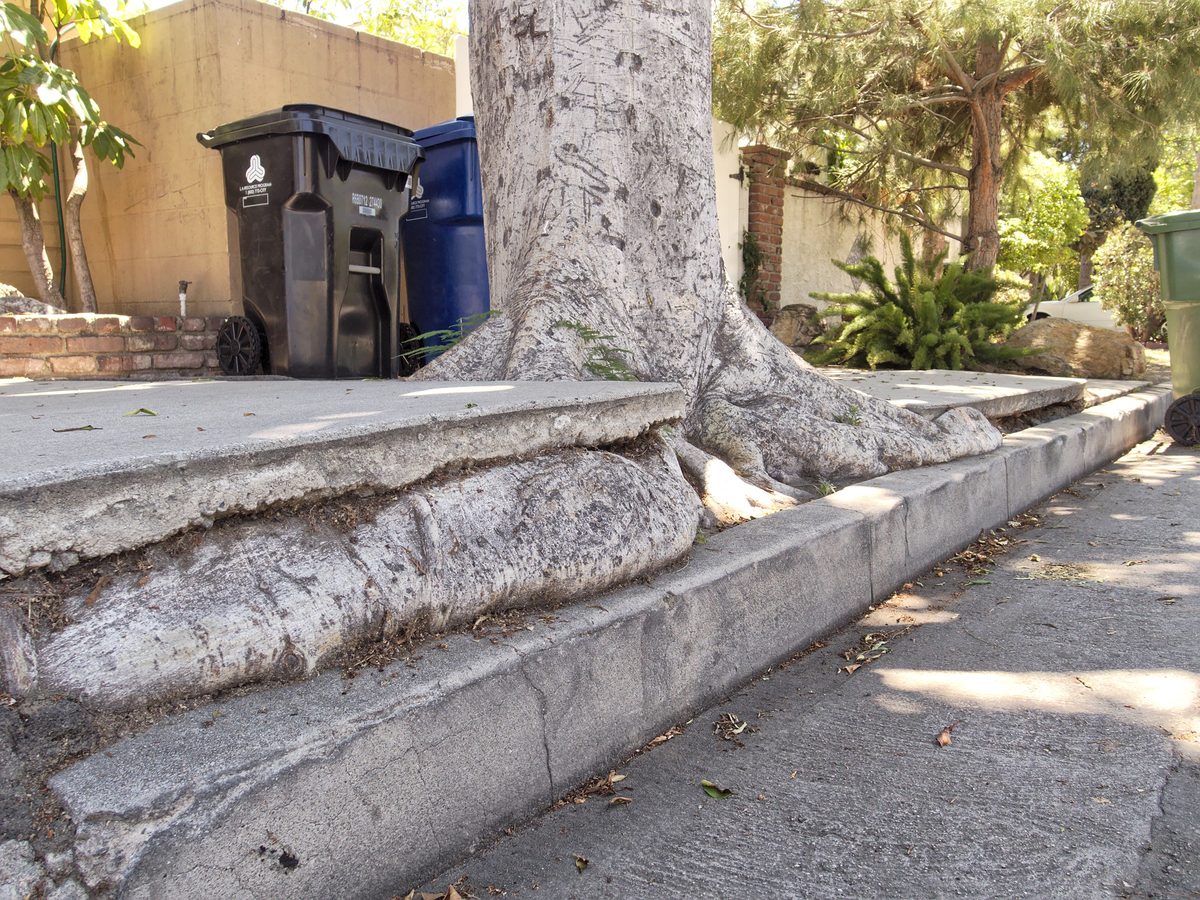
A driveway is a long chain of concrete panels, each resting on soil that responds to weather. On clay soil around Pflugerville and Manor, the panels do not all move at the same rate. One panel near the downspout sinks. Another near a tree stays high. The joint between them turns into a step. A sidewalk has the same problem on a smaller scale, with one square tipped up an inch and the next square flat. Driveway and sidewalk leveling lifts those panels to match their neighbors. Small holes are drilled in the sunken section, material is injected to fill the void and push the panel up, and the holes are patched. The concrete stays in place. You avoid breaking out slabs, hauling debris, forming and waiting for new concrete to cure.
Foam, or polyurethane, leveling is the most common choice for driveways in our work. The foam is a lightweight material that expands under the slab and hardens quickly. Contractor sources put its weight at roughly 2 to 4 pounds per cubic foot, and describe a cure measured in minutes. Holes run about five eighths of an inch. Mudjacking uses a heavier slurry of cement, soil and water through larger holes, with a longer wait before traffic returns. For a driveway, the cure time matters. If you need to move a car out of the garage the same day, a faster-setting material is helpful. Always ask how long to wait before parking on the repair, since panels that carry vehicles need the material to reach working strength.
Not every drop is the same. A panel that has simply dropped on one edge is a good candidate. A panel with a diagonal crack across the middle might separate when lifted, because the two halves behave as separate slabs. A panel with many hairline cracks may be fine. We read the pattern before we promise anything, because the cracks tell us how the concrete will react. Thickness also counts. Residential driveways are commonly four inches thick, though some are thicker near the garage. Thin concrete lifts with less margin for error, so injection is done slowly and the lift is measured as it happens. Cracks that run through a panel from edge to edge often split it into two slabs that move on their own, so we explain the odds of breakage plainly before work starts. A hairline crack that does not shift is usually fine to lift.
Why do driveways sink at all? Four causes show up again and again around the Austin suburbs. Roof water dumps onto the drive and runs under the edge. Irrigation overspray soaks the base near the curb. Tree roots pull moisture out of clay and make the soil shrink. And poor compaction during construction lets the soil settle years later. If you see the same panel sinking every few years, there is almost always an active water source. Fixing that source, with a downspout extension, a channel drain across the drive, or a redirected sprinkler head, is the best way to protect the lift. A channel drain across the apron can catch water before it ever reaches the garage door. Compaction problems are most common on lots graded quickly during construction, and they show up as a dip a few years later. These are often the easiest drops to fix once the water source is handled.
Sidewalks bring a few extra rules. In many Texas cities, public sidewalks in the right-of-way are handled by the city or by the homeowner depending on local ordinance, and trip hazards can be a liability concern. Check with your city before touching a public sidewalk. For sidewalks inside your property, the choice is yours, though an HOA may still have a say. Curb aprons and driveway approaches are in the city right-of-way in many places. Work there may need a permit. Rather than guess, call your city public works office and ask what applies at your address. That one call can save a repair from being torn out later. Homeowners sometimes assume the city will fix a sidewalk heave caused by a street tree, and sometimes it will, so a quick phone call is worthwhile. Written confirmation of who pays is helpful.
A few things you can check yourself. Walk the driveway after a rain and note where water stands. Slide a yardstick across a joint to see how big the step is. Look for gaps between the slab and the soil edge. Take photos before and after storms. Having those details helps a contractor tell you whether leveling, drainage work, or full replacement is the realistic answer. Before any drilling, a call to 811 two business days ahead is required in Texas. Driveways often have irrigation, electric and communication lines nearby. We never drill without that notice. A simple log of dates, rainfall and panel heights makes the history clear. Checking after the first heavy rain following a repair is a good habit, since any new movement shows up early.
Signs you may need driveway & sidewalk leveling
- A raised or sunken lip between driveway panels
- Sidewalk squares that tilt or rock when stepped on
- Water pooling at the garage door or curb
- Gaps between the slab edge and the soil
- Hollow sound when tapping a panel
- Cracks that follow a joint where one side sank
- Scraping at the bottom of the car or trash can wheels catching
Driveway & Sidewalk Leveling on clay-soil lots
Driveways in newer Pflugerville and Hutto subdivisions often sit on fill that was graded fast during construction. A few years later, panels near the curb and garage settle as the clay and fill consolidate. Leveling handles that well, if roof water is kept off the drive.
Street trees planted by builders pull moisture from clay and shrink the soil under sidewalks. That is a common reason a single sidewalk square sinks while its neighbors stay put. Choose drainage fixes and tree care together, not in isolation.
Older neighborhoods in Round Rock and northeast Austin have driveways that are decades old. Aged concrete can have weaker surfaces, and lifts need extra care. We look at surface condition before we commit to the job. Concrete from the 1980s and 1990s may include thinner sections and older mixes, so we test before lifting.
Heavy rain events in Central Texas can saturate clay and move water under driveway edges quickly. A driveway that slopes toward the garage is a special concern because stormwater can enter the door. Drainage across the apron is often worth considering.
City sidewalks, curb aprons and approaches are regulated differently from your driveway. Check with your city or HOA before work in the right-of-way, and keep the 811 call on the schedule. Ask about driveway approach rules in your subdivision, because some HOAs control how aprons and curbs may be altered, and keep the 811 call on the schedule.
Our driveway & sidewalk leveling process
- 01
Survey the panels and joints
We walk the driveway or sidewalk and measure each step with a straightedge. Cracks, joint gaps and surface wear are noted. We also look at the roofline, irrigation heads and trees to find what is feeding the problem. A short list of the worst panels is written down, along with photos, so you can compare before and after.
- 02
Choose the lift approach
Depending on slab thickness, weight and the lift needed, we discuss foam or mudjacking and recommend the better match. For thin or heavily cracked panels we explain the risk of breakage and when replacement may be wiser. We also look at slab edges for spalling, since crumbling edges can break away when injection pressure rises.
- 03
Call 811 and mark holes
Texas811 gets the notice at least two business days before drilling. Meanwhile, we mark a hole pattern on each sunken panel so lift is spread evenly and nothing is drilled near known lines or reinforcing steel. Holes are generally set in a grid across the sunken panel, with extra points near edges where panels hinge downward.
- 04
Drill and inject gradually
Holes are drilled through the panel, and material is injected in small amounts. We track the rise with levels and string lines, moving between holes so the panel lifts flat instead of tipping. Foam is metered slowly, and if a panel starts to crack or rock, we stop and talk through whether to continue.
- 05
Match adjacent panels
Each panel is raised to meet its neighbors, with attention to drainage direction. A driveway has to shed water away from the garage, so we confirm the final slope instead of just closing the gap. We test drainage with water and check the apron by the garage door, where even a small reverse slope can send water inside.
- 06
Patch holes and set the cure window
Holes are patched, and the surface is cleaned. We explain how long to keep vehicles off the panels and which water source to fix so the repair stays level. Keep cars, trailers and delivery trucks off the repaired panels until we tell you the cure window has passed. A quick walk-through at the end confirms nothing was missed.
What affects the cost of driveway & sidewalk leveling
Number of panels
Each sunken panel needs mapping, drilling and monitoring. A single step at one joint costs less than a whole driveway with five or six low panels. Any figure you read is a general market range and not a quote. A driveway with many cracks may need extra monitoring, which can raise the price per panel.
Lift height and slab thickness
A small step at one corner takes little material. A panel that has dropped two inches across its full width needs much more. Thin panels also call for slower injection and extra monitoring, which adds labor time. Long, heavy driveways with deep voids may favor mudjacking on cost, while tight access and speed often favor foam.
Material choice
Foam generally costs more than mudjacking per panel, but it is lighter, uses smaller holes, and cures faster. For heavy, deep voids, mudjacking can lower the cost. We compare the two for your driveway instead of defaulting to one. Corner lots often have more sidewalk, and that adds length to an estimate even when the driveway is small.
Public right-of-way work
Sidewalks and aprons in the city right-of-way may require permits or approvals. Any related fees and the time to obtain them are separate from the leveling cost. Ask your city public works office about rules at your address. Ask your city about permit fees and inspections before you plan the schedule, since approvals can take several business days.
Water source repairs
To keep panels from sinking again, you may need a channel drain, downspout extension or sprinkler adjustment. These are optional but sensible add-ons. They cost extra, and they help protect the investment. Many owners add a downspout extension at the same visit, since the added labor is small compared with redoing the lift.
Driveway & Sidewalk Leveling FAQs
Can a driveway be leveled instead of replaced?
Often yes, if the concrete is mostly sound. Leveling lifts the sunken panel without breaking it out, which avoids demolition and new concrete. If a panel is crumbling or badly cracked, replacement may be the better choice. A site visit is the only way to know for sure. Bring photos from before the work, and ask about edge condition, since crumbling edges can limit what lifting can do.
How soon can I drive on the repair?
Foam generally cures in minutes, but vehicle traffic puts heavy load on the slab, so confirm the wait time for your job. Mudjacking needs more time to set. Ask the contractor for a clear window and keep vehicles off until it passes. If you have a heavy truck or trailer, tell the contractor, since those loads need a longer wait than a family car.
Who is responsible for a public sidewalk?
It depends on your city. Some cities handle repairs, and others place the duty on the adjacent owner. Rules also differ for curb aprons. Call your city public works office or check its ordinances, because we cannot state your city's specific policy. If your sidewalk is in the public right-of-way, ask your city whether it offers a repair program before you pay for the work.
Why does the same panel keep sinking?
An active water source is the usual reason. A downspout, sprinkler head or low spot can wash soil out from under the panel again and again. Fixing the water source is the best way to keep the lift. Tree roots drying the clay can also play a role. A quick sprinkler audit often reveals the cause, so run each zone and watch the edges of the drive for runoff.
What is the difference between foam and mudjacking for a driveway?
Mudjacking uses a heavy cement slurry and larger holes with a longer set time. Foam is a light expanding polyurethane with smaller holes and fast curing. Foam resists washout, but costs more. Both work only on exterior slabs, not on the house foundation. Ask for the hole size in writing on your quote, since that is the plain difference you will see on the surface afterward.
Will leveling fix a cracked driveway?
It fixes height differences, not cracks. A crack that formed because a panel sank may stop growing once the panel is lifted, but the crack remains. Sealing it afterward keeps water out of the base. See our crack and joint sealing service for that step. Ask how and when the cracks will be sealed, since that step protects the base from rain after the lift.
Can you level the garage floor or the house slab?
Garage aprons and exterior slabs can be leveled. The structural slab of the house, including a garage floor that is part of the foundation, is outside our scope. If you see movement there, a structural engineer or foundation repair company should evaluate it. A foundation contractor can also tell you if the garage slab is tied to the house structure, which affects what can be lifted.
Do I need a permit?
Work on your own driveway usually does not, but sidewalks and aprons in the city right-of-way may. Rules differ by city and HOA, so check with them before scheduling. Texas also requires an 811 call at least two business days before any drilling or digging. If you rent or have an HOA, ask the board in writing, so you have the approval on file before the contractor arrives.
Driveway & Sidewalk Leveling near you
- Driveway & Sidewalk Leveling in Pflugerville
- Driveway & Sidewalk Leveling in Round Rock
- Driveway & Sidewalk Leveling in Hutto
- Driveway & Sidewalk Leveling in Manor
- Driveway & Sidewalk Leveling in Georgetown
- Driveway & Sidewalk Leveling in Taylor
- Driveway & Sidewalk Leveling in Elgin
- Driveway & Sidewalk Leveling in Wells Branch
- Driveway & Sidewalk Leveling in Northeast Austin
- Driveway & Sidewalk Leveling in Brushy Creek
- Driveway & Sidewalk Leveling in Cedar Park
- Driveway & Sidewalk Leveling in Leander
Water pooling or concrete sinking?
Call or send a request. We will look at where the water goes, check the grade and give you a written estimate.