Northeast Austin · Travis County
Foundation Drainage in Northeast Austin, TX
We handle water, not structure. Around Northeast Austin foundations that means managing grade, gutters and perimeter drains so the clay stays at a steady moisture level. If you suspect movement, have a structural engineer or foundation repair company evaluate the house first. Good drainage then helps protect whatever repair they recommend. Roots from large trees can dry one side of a house, so we note tree distance too.
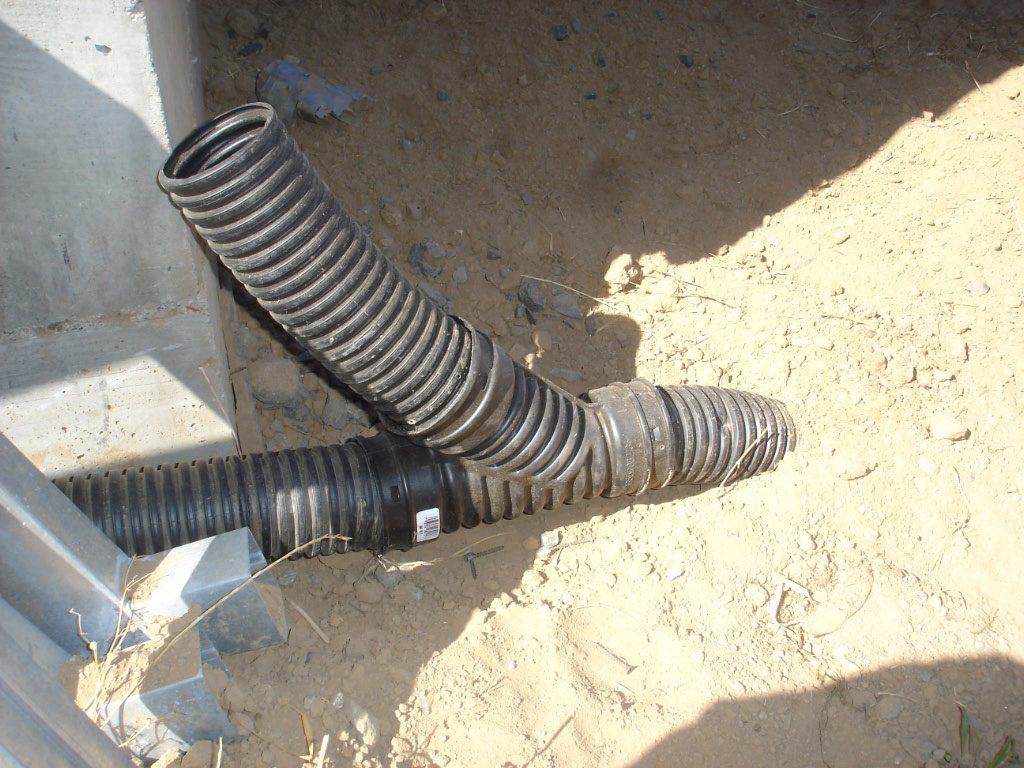
Foundation Drainage for Northeast Austin homes
Foundation movement is a familiar story across Northeast Austin. In older neighborhoods like Windsor Park, with its mid-century homes, many houses sit on pier-and-beam foundations that have lived through decades of wet and dry cycles. Newer homes farther out rest on slabs poured over Blackland clay. In both cases the soil swells when wet and shrinks when dry, and the foundation follows. The visible results are sticking doors, cracked tile, gaps at the trim and uneven floors. A basic walkaround tells you a lot. Check whether soil touches the siding, whether the ground is higher than the slab edge, whether downspouts empty near the wall and whether sprinklers spray the foundation. These are the common contributors in Northeast Austin yards, and most are cheap to fix. They are also the first things an engineer will ask about.
Drainage can help by keeping the soil around the foundation more consistent. That starts with gutters and downspouts that deliver water well away, followed by grading that slopes away from the house and surface drains for low spots. A French drain set a few feet out from the wall can intercept water that would otherwise reach the footing. On pier-and-beam homes, crawl space vents and the soil under the house should stay dry, and drainage outside the footprint is a big part of that. On pier-and-beam homes, drainage outside and ventilation inside work together. Vents should stay open and clear of soil, mulch and shrubs, and the ground under the house should be dry and graded away from the center. If you smell mustiness or see damp soil in the crawl space, mention it to the engineer, since it affects the plan.
Pflugerville Drainage Pros does not do structural foundation repair, such as piers or slab lifting under the house. If you see widening cracks, sloping floors or doors that no longer latch, a structural engineer or a foundation repair company should evaluate the house. They can say whether moisture is the cause. Drainage then supports their work. Austin may require permits for some site work, so ask the city, and call 811 before trenching near the slab, where gas and water lines often enter. A coordinated plan saves money. If a foundation repair company recommends drainage work, get their scope in writing: where to grade, which downspouts to extend, whether a perimeter drain is needed. Share it before drainage work starts, so the two crews do not undo each other, and keep the paperwork for the day you sell.
What to know in Northeast Austin
Pier-and-beam crawl spaces
Older Northeast Austin homes often have a crawl space with wood beams and piers. Wet soil underneath raises humidity and can rot wood. Surface drainage around the house is a first step, and the crawl space itself may need a vapor barrier or ventilation work from a specialist.
Watering and root effects
Large trees draw moisture from clay in summer, which can dry out one side of a house. Some foundation professionals recommend slow, even watering near the slab during long dry spells. Ask your engineer or repair company what fits your house before making changes.
Document what you see
Photos of cracks, dated and measured, give an engineer a timeline. Mark the ends of a crack with a pencil and check it each season. If the crack grows, call for evaluation. Records also help later if you sell the home.
Signs you may need foundation drainage
- Downspouts that end within a few feet of the house
- Soil or mulch built up above the bottom of your siding or brick
- Gaps opening between the soil and the slab edge in dry weather
- Mud or standing water in a planter bed or porch against the wall
How foundation drainage works
The most common cause we see is a gutter or downspout that dumps water beside the house. A single downspout on a 2,000 square foot roof can shed thousands of gallons in a wet season. If the pipe ends at the foundation or a short splash block, that water sinks straight down along the slab edge. Extending the discharge, or piping it underground to a pop-up emitter or the street side of the lot, often does more for a foundation than any other single change. The second cause is grade. Soil settles after construction, mulch beds pile up, and flower beds get edged with stone that traps water against the house. Building codes commonly call for ground that falls away from the foundation, and the usual rule of thumb is about six inches of drop over the first ten feet. Check your city and builder documents for the exact standard that applies to your lot.
When grade and gutters are not enough, a perimeter drain may help. This is a trench along the part of the house where water collects, lined with fabric, filled with washed gravel, and fitted with a perforated pipe that carries water to a safe outlet. It is closely related to a French drain, but placed with the foundation in mind. The trench stays shallow enough that it does not undermine the footing, and it is kept a sensible distance from the slab edge. Where water cannot drain by gravity, a sump basin with a pump can lift it to a discharge point. Outlet location matters as much as the pipe. The best drain in the world fails if it dumps onto a neighbor's lot or into a low corner with nowhere to go. We plan the outlet first, then work backward to the trench.
What to expect on a Northeast Austin visit
- 01
Walk the property in dry and wet conditions
We start by looking at the roofline, gutters, downspout outlets and the ground within about ten feet of the slab. Where possible we look right after rain, because puddles, soft spots and stained concrete show exactly where water travels and where it stops. Photos of gutters, stains and puddles go into your file so we can compare conditions after the work.
- 02
Check the slope and find the low points
Using a level and string line or a laser, we measure how the ground falls away from the house. We note where beds, walkways or patios hold water against the slab, and mark where the soil has settled below the original grade line. Low spots next to the slab are flagged first, since they usually matter more than gentle slopes elsewhere in the yard.
- 03
Plan the outlet before the pipe
Water needs a legal, safe place to go. We pick a daylight outlet, a street-side discharge, a dry well or a pop-up emitter, and confirm it will not push runoff onto a neighbor. You are also told to check HOA and city rules on easements. If a pop-up emitter is the choice, we explain how it opens under flow and drops back flush so mowers pass over it.
- 04
Call 811 and mark the work area
Texas811 must be notified at least two business days before digging, and the utilities mark their buried lines. We keep the trench clear of those marks and of irrigation lines, then lay out the path with paint so you can see it first. Irrigation lines are common in this area, so we ask where your zones run and whether a shutoff is accessible.
- 05
Excavate, lay pipe and backfill
The trench is cut to a steady fall, lined with fabric, bedded with washed gravel and fitted with solid or perforated pipe depending on the job. Spoil is hauled or used for regrading. Cleanouts are added where they help future maintenance. A cleanout riser at the corner makes it easy to flush the line later and check that water is still moving.
- 06
Regrade, test and restore
We shape soil so it falls away from the slab, then run water through the system to confirm flow reaches the outlet. Sod, mulch or rock goes back, and we walk you through where the pipes run and how to keep inlets clear. Keep the new grade in mind when you plant or add mulch, because piling soil back up against the slab undoes the work.
Our approach in Northeast Austin
- We walk the property in Northeast Austin and trace where water comes from, where it collects and where it can legally go
- We explain what we find in plain language, with photos where they help
- Repairs and installs are planned around Travis County permitting requirements
- You get written options before any repair work begins
- We call 811 to mark buried utilities before any digging
Soil and drainage conditions around Northeast Austin
The terrain is mostly flat to gently rolling, cut by creeks that drain toward the Colorado River to the southeast. Walnut Creek runs through the northern part of the area, and Walnut Creek Metropolitan Park, with its trails, follows it. Gilleland Creek drains part of the northeast side and flows toward Pflugerville. The main routes are US-290 east, which carries traffic out toward Manor, and I-35 on the west side, with SH 130 farther east as the area's toll bypass. Many neighborhoods drain through small tributaries and concrete channels before reaching these creeks. Homes near a creek bank or channel should watch for erosion and for runoff from upstream lots, while homes on high ground often deal with water running across the yard rather than standing in it. Storms there can be sharp, and runoff from busy roads and parking lots reaches the creeks quickly.
Foundation Drainage questions from Northeast Austin homeowners
Can drainage fix my foundation problem?
Drainage addresses moisture, one cause of foundation movement. It cannot lift or repair a slab or beams. A structural engineer or foundation repair company should evaluate cracks and uneven floors, and drainage can be part of the plan afterward. Ask for the report in writing, and keep it with your home records for future buyers.
Are pier-and-beam homes safer than slabs?
Neither type is immune. Pier-and-beam homes can be adjusted but have crawl space moisture risks. Slabs are tight to the ground and respond to clay swelling. The right answer depends on your lot, your drainage and the condition of the structure, so have an expert look. Both pier-and-beam and slab systems can be repaired by qualified firms, so compare scopes.
Where should I start?
Check your gutters, downspouts and grading around the house. Fix leaks and make sure water leaves the area. If you see wide cracks or sloping floors, call a structural engineer. Once you have their findings, we can address drainage steps that match their recommendations. We can then match gutters, grading and drains to what the report recommends.
Can foundation drainage fix a cracked foundation?
No. Drainage manages the water around the slab, but it does not repair structural damage. If you see stair-step brick cracks, sticking doors, or floors that slope, hire a structural engineer or a foundation repair company to evaluate the house. Drainage then works as a follow-up step that helps protect whatever repair is made. A site visit helps sort out which problems are about water and which are about the structure itself.
Do you do piers or slab jacking under the house?
No. Structural foundation repair, including piers and lifting the house slab, is outside our scope. We handle drainage and exterior concrete. If movement is suspected, an independent structural engineer can tell you what the foundation needs, and we can then address the water side of the problem. We can coordinate with whoever you hire so the drainage plan fits their repair, as long as they approve the layout.
How far from the house should downspouts discharge?
Farther than most homes have. Many experts recommend at least several feet, and underground piping to a pop-up emitter or street outlet is better for clay soil. The right distance depends on lot slope and where the water can safely go. Check your HOA or city rules before choosing the outlet. Distance alone is not the answer, because a long pipe pointed at a neighbor's fence line is no better than a short one.
More about foundation drainage → · All services in Northeast Austin →
Need foundation drainage in Northeast Austin?
Call or send a request. We will look at where the water goes, check the grade and give you a written estimate.