Pflugerville · Travis County
Foundation Drainage in Pflugerville, TX
Steady moisture around a foundation keeps the clay from swinging between swollen and cracked. Perimeter drains and good grading help hold that moisture steadier and keep standing water away from the slab. Piers and slab jacking under the house are outside our scope. If you notice cracks in brick, sticking doors or sloping floors, call a structural engineer or foundation company for an evaluation first. Gutters, grade and downspout outlets are the first things we check, because fixing them is often the most cost-effective step.
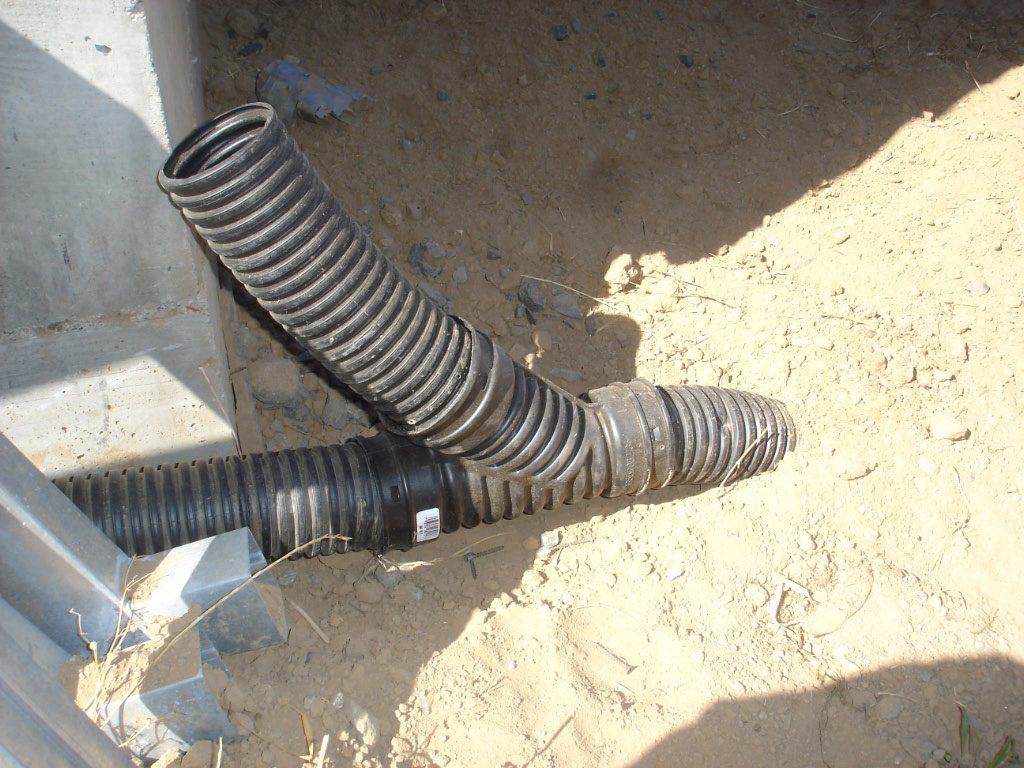
Foundation Drainage for Pflugerville homes
Foundation drainage is about keeping water from piling up around a slab. It is not foundation repair. Pflugerville Drainage Pros does not install piers or lift slabs. If you suspect movement, a structural engineer or a foundation repair company should evaluate it. What drainage does is steady the soil. Blackland clay swells when wet and shrinks when dry, and it pushes and pulls on a slab as it does. Perimeter drainage, grading and gutter discharge keep the moisture around your home from swinging between extremes, which helps protect the foundation from the water side of the problem. No drainage system can undo movement that has already happened, so treat the water side and the structural side as two separate jobs.
A foundation drainage plan in Pflugerville usually combines a few tools. Regrading makes sure soil slopes away from the walls. Gutters and underground downspout drains carry roof water well past the slab. A shallow French drain along a low side collects groundwater that would otherwise sit against the slab edge. Mulch and flower beds stay below the brick ledge. Most local homes are built on slabs, not crawlspaces, so there is no basement to keep dry. The aim is steady soil moisture, not a perfectly dry lot. Foundation drains do not replace regular maintenance. Gutters packed with leaves, sprinklers aimed at the wall and tree roots drawing moisture all change what the soil does under your slab.
How do you know if water is part of the problem? Look at the ground first. Water that stands against the slab for a day after rain, soil that sinks away from the wall in summer, and gutters that dump at the corner all point to drainage issues. Look inside for stair-step cracks in brick, doors that stick and gaps at trim. These are signs worth a professional opinion, since leaks in plumbing under the slab can also cause movement. Gilleland Creek lots and low spots near SH 130 can be wetter than average, but the same logic applies across the city. A written note of what you see, with dates and photos, helps an engineer figure out whether the movement is seasonal or ongoing.
What to know in Pflugerville
Drainage is not structural repair
Perimeter drainage reduces one cause of soil movement. It does not lift or stabilize a slab that has already moved. If you see cracking, sticking doors or gaps, hire a structural engineer or foundation repair company to evaluate the house first. Then fix the water problem so the repair holds.
Keep moisture steady, not zero
Clay shrinks when it dries out as much as it swells when wet. Draining water away from the slab is good, but extreme dry spells still open cracks. Some engineers recommend watering evenly around the foundation during droughts. Ask the engineer who evaluates your house whether that fits your soil.
Check plumbing before trenching
A leaking supply or drain line under a slab can mimic drainage trouble. A plumber can test for leaks, and it is worth doing before spending money on exterior drains. Wet spots that stay wet in dry weather are the clue.
Signs you may need foundation drainage
- Water pooling beside the slab for more than a day after rain
- Downspouts that end within a few feet of the house
- Soil or mulch built up above the bottom of your siding or brick
- Gaps opening between the soil and the slab edge in dry weather
How foundation drainage works
Most homes around Pflugerville, Hutto and Manor sit on a concrete slab poured directly on the ground. Many newer slabs are post-tensioned, which means steel cables inside the concrete are tightened to help the slab resist movement. That design works best when the soil around and under it changes moisture slowly and evenly. Rain that runs off the roof and soaks in right at the slab edge does the opposite. It wets one side of the house while the other side stays dry, and the soil swells in one place and shrinks in another. Foundation drainage is the set of fixes that interrupt that cycle. The goal is simple. Catch roof water, move it well away from the house, and keep the ground beside the slab sloped so surface water leaves instead of ponding. We do not lift, pier or repair the structure itself. We work on the water.
Here is the soil problem in plain terms. East of I-35, much of the ground belongs to the Blackland Prairie, a belt of dark clay that includes the Houston Black series. The Texas Water Development Board describes Houston Black as one of the classic expansive soils in the world. Expansive means the clay swells when it soaks up water and shrinks and cracks when it dries. Over a wet spring followed by a dry August, the soil under a typical lot can rise and fall by an inch or more, and a slab riding on top of it moves along with it. You cannot stop clay from reacting to weather. You can reduce the difference between the wettest and driest spots around your house. That is what good drainage does. It keeps extreme moisture swings away from the footing line, which gives the slab and the soil under it a calmer year.
What to expect on a Pflugerville visit
- 01
Walk the property in dry and wet conditions
We start by looking at the roofline, gutters, downspout outlets and the ground within about ten feet of the slab. Where possible we look right after rain, because puddles, soft spots and stained concrete show exactly where water travels and where it stops. Photos of gutters, stains and puddles go into your file so we can compare conditions after the work.
- 02
Check the slope and find the low points
Using a level and string line or a laser, we measure how the ground falls away from the house. We note where beds, walkways or patios hold water against the slab, and mark where the soil has settled below the original grade line. Low spots next to the slab are flagged first, since they usually matter more than gentle slopes elsewhere in the yard.
- 03
Plan the outlet before the pipe
Water needs a legal, safe place to go. We pick a daylight outlet, a street-side discharge, a dry well or a pop-up emitter, and confirm it will not push runoff onto a neighbor. You are also told to check HOA and city rules on easements. If a pop-up emitter is the choice, we explain how it opens under flow and drops back flush so mowers pass over it.
- 04
Call 811 and mark the work area
Texas811 must be notified at least two business days before digging, and the utilities mark their buried lines. We keep the trench clear of those marks and of irrigation lines, then lay out the path with paint so you can see it first. Irrigation lines are common in this area, so we ask where your zones run and whether a shutoff is accessible.
- 05
Excavate, lay pipe and backfill
The trench is cut to a steady fall, lined with fabric, bedded with washed gravel and fitted with solid or perforated pipe depending on the job. Spoil is hauled or used for regrading. Cleanouts are added where they help future maintenance. A cleanout riser at the corner makes it easy to flush the line later and check that water is still moving.
- 06
Regrade, test and restore
We shape soil so it falls away from the slab, then run water through the system to confirm flow reaches the outlet. Sod, mulch or rock goes back, and we walk you through where the pipes run and how to keep inlets clear. Keep the new grade in mind when you plant or add mulch, because piling soil back up against the slab undoes the work.
Our approach in Pflugerville
- We walk the property in Pflugerville and trace where water comes from, where it collects and where it can legally go
- We explain what we find in plain language, with photos where they help
- Repairs and installs are planned around Travis County permitting requirements
- You get written options before any repair work begins
- We call 811 to mark buried utilities before any digging
Soil and drainage conditions around Pflugerville
Water moves through Pflugerville along a handful of named creeks. Gilleland Creek begins northwest of town and runs about 27 miles to the Colorado River, and it was named for James Gilleland, an early settler. Wilbarger Creek rises north of town and drains east toward Bastrop County. Lake Pflugerville, the city's man-made lake, sits in the larger drainage network, and the city has built trails along the creek corridors. The terrain is gently rolling rather than steep, which sounds harmless until you remember that a few inches of fall across a whole subdivision sends sheet flow across many back yards before it reaches a ditch. Homes on the low side of a street, or backing onto a greenbelt or drainage easement, often receive the water that came off five or six lots uphill. Knowing which way your lot drains, and who is upstream, is the first real step in any fix. A fence line or raised bed can be enough to dam that sheet flow against a back wall.
Foundation Drainage questions from Pflugerville homeowners
Does Pflugerville Drainage Pros repair foundations?
No. We handle drainage and concrete leveling, not piers or slab jacking under the house. If you suspect foundation movement, have a structural engineer or a foundation repair company evaluate it. We can then address the drainage side so water does not keep working against the repair. Ask for that evaluation first, before any drainage work, so each contractor is solving the right problem.
Can poor drainage damage a slab foundation?
It can contribute. Clay under a slab swells when soaked and shrinks when it dries, and uneven moisture around the perimeter causes uneven movement. Drainage is only one factor, along with soil type, plumbing leaks, trees and original construction, which is why an engineer should assess any movement. Trees close to the house can also pull moisture from the soil.
What is the best way to keep water away from my foundation?
Start with the basics. Keep gutters clean, send downspouts several feet away or underground, keep soil sloping away from the walls, and keep mulch below the brick ledge. If water still collects, add a shallow perimeter drain or catch basin. Each home differs, so look at your lot during a storm. Walk the perimeter after rain and note where water collects.
Can foundation drainage fix a cracked foundation?
No. Drainage manages the water around the slab, but it does not repair structural damage. If you see stair-step brick cracks, sticking doors, or floors that slope, hire a structural engineer or a foundation repair company to evaluate the house. Drainage then works as a follow-up step that helps protect whatever repair is made. A site visit helps sort out which problems are about water and which are about the structure itself.
Do you do piers or slab jacking under the house?
No. Structural foundation repair, including piers and lifting the house slab, is outside our scope. We handle drainage and exterior concrete. If movement is suspected, an independent structural engineer can tell you what the foundation needs, and we can then address the water side of the problem. We can coordinate with whoever you hire so the drainage plan fits their repair, as long as they approve the layout.
How far from the house should downspouts discharge?
Farther than most homes have. Many experts recommend at least several feet, and underground piping to a pop-up emitter or street outlet is better for clay soil. The right distance depends on lot slope and where the water can safely go. Check your HOA or city rules before choosing the outlet. Distance alone is not the answer, because a long pipe pointed at a neighbor's fence line is no better than a short one.
More about foundation drainage → · All services in Pflugerville →
Need foundation drainage in Pflugerville?
Call or send a request. We will look at where the water goes, check the grade and give you a written estimate.