Manor · Travis County
Driveway & Sidewalk Leveling in Manor, TX
Manor driveways and sidewalks move with the clay. Panels drop, edges lift and joints open. Leveling lifts the concrete back to grade, removes trip hazards and helps water drain away from the garage. If a downspout or low grade is feeding water under the slab, we recommend fixing that, too. We check the joints between panels for open gaps at the same visit.
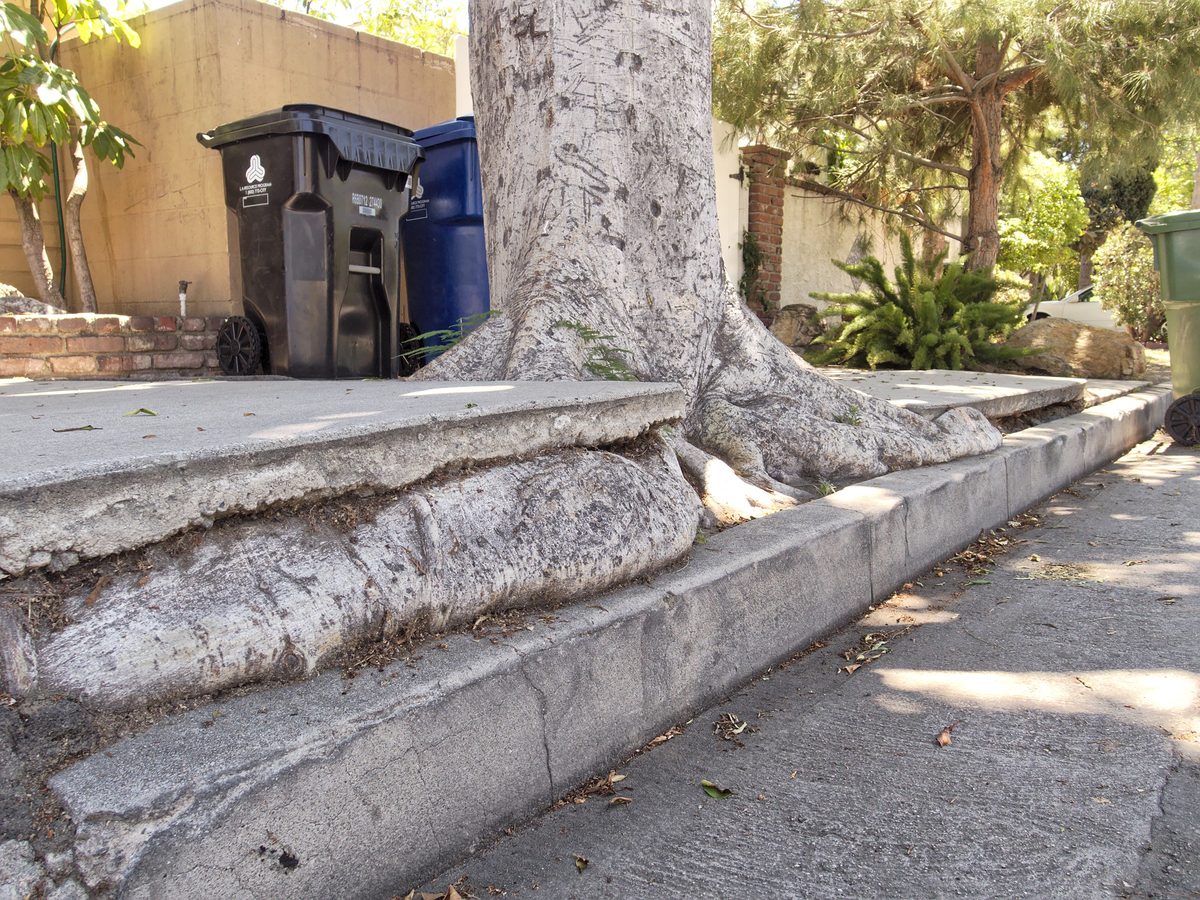
Driveway & Sidewalk Leveling for Manor homes
Driveways in Manor face a particular mix of stress. Concrete pads are poured over clay, then trucks, trailers and the Texas heat go to work on them. A driveway that slopes toward the garage, a sidewalk panel with a raised edge, or a joint where one slab has dropped an inch below its neighbor are all common. Driveway and sidewalk leveling lifts the sunken panels back into line and fills the voids below them, so you keep the concrete you already paid for. Measure the offset between panels with a ruler or a straightedge and a tape. Offsets under a half inch are often cosmetic, while those over an inch can affect drainage and tire wear. Many Manor driveways are only a few years old, so settling at the edges where builder fill meets original ground is a frequent cause.
Trip edges on sidewalks are the first concern for many homeowners. A lip of three-quarters of an inch or more can catch a toe or a stroller wheel. Leveling is usually a better choice than grinding the lip, because it removes the cause instead of the symptom. On driveways, the real concern is often water. A panel that tilts toward the house sends runoff to the garage door. Raising the panel can restore the right slope and keep that water moving toward the street, where it belongs. On a long Manor driveway, panels near the street often sink first because water enters at the apron and travels under the slab. Panels near the garage can tilt from roof runoff that lands on them.
Newer Manor streets have city sidewalks along the curb, and in many cases the sidewalk in front of your house sits in the public right of way. Repairs there may fall to the city or the HOA, so check before hiring anyone. On your own driveway, we inspect the joints, look for erosion at the edges, and find where water is entering. Fixing a cracked panel is different from raising a sunken one, and both may be needed on the same drive. We explain which is which before any work begins. We note any cracks that run through the panel. A panel with a through crack may break during lifting, so the plan should include a way to control it, or a recommendation to replace that section.
What to know in Manor
Public sidewalks follow city rules
The sidewalk along your Manor street may be the city's or HOA's responsibility, or yours, depending on the subdivision. Ask the City of Manor before you pay for repairs. Reporting a lifted public panel may get it fixed at no cost to you. If your property has an HOA, ask whether any work in the street right of way needs approval.
Heavy vehicles and boat trailers
Driveways that carry work trucks, RVs or boat trailers put more load on weak spots. After leveling, the fill under a panel needs to carry that weight. Tell the crew what parks on the drive so they can choose the right material and injection pattern for it. Keep trailers off the repaired area until the crew says it has fully cured.
Drainage around the apron
Where the driveway meets the street, water often runs under the apron and carries soil out. A small channel drain or a sealed joint at that spot can stop the cycle. Without it, the leveled panel may sink again within a few seasons of wet weather. Fix gutters that dump on the drive, since that water caused the damage in many cases.
Signs you may need driveway & sidewalk leveling
- Gaps between the slab edge and the soil
- Hollow sound when tapping a panel
- Cracks that follow a joint where one side sank
- Scraping at the bottom of the car or trash can wheels catching
How driveway & sidewalk leveling works
Why do driveways sink at all? Four causes show up again and again around the Austin suburbs. Roof water dumps onto the drive and runs under the edge. Irrigation overspray soaks the base near the curb. Tree roots pull moisture out of clay and make the soil shrink. And poor compaction during construction lets the soil settle years later. If you see the same panel sinking every few years, there is almost always an active water source. Fixing that source, with a downspout extension, a channel drain across the drive, or a redirected sprinkler head, is the best way to protect the lift. A channel drain across the apron can catch water before it ever reaches the garage door. Compaction problems are most common on lots graded quickly during construction, and they show up as a dip a few years later. These are often the easiest drops to fix once the water source is handled.
Sidewalks bring a few extra rules. In many Texas cities, public sidewalks in the right-of-way are handled by the city or by the homeowner depending on local ordinance, and trip hazards can be a liability concern. Check with your city before touching a public sidewalk. For sidewalks inside your property, the choice is yours, though an HOA may still have a say. Curb aprons and driveway approaches are in the city right-of-way in many places. Work there may need a permit. Rather than guess, call your city public works office and ask what applies at your address. That one call can save a repair from being torn out later. Homeowners sometimes assume the city will fix a sidewalk heave caused by a street tree, and sometimes it will, so a quick phone call is worthwhile. Written confirmation of who pays is helpful.
What to expect on a Manor visit
- 01
Survey the panels and joints
We walk the driveway or sidewalk and measure each step with a straightedge. Cracks, joint gaps and surface wear are noted. We also look at the roofline, irrigation heads and trees to find what is feeding the problem. A short list of the worst panels is written down, along with photos, so you can compare before and after.
- 02
Choose the lift approach
Depending on slab thickness, weight and the lift needed, we discuss foam or mudjacking and recommend the better match. For thin or heavily cracked panels we explain the risk of breakage and when replacement may be wiser. We also look at slab edges for spalling, since crumbling edges can break away when injection pressure rises.
- 03
Call 811 and mark holes
Texas811 gets the notice at least two business days before drilling. Meanwhile, we mark a hole pattern on each sunken panel so lift is spread evenly and nothing is drilled near known lines or reinforcing steel. Holes are generally set in a grid across the sunken panel, with extra points near edges where panels hinge downward.
- 04
Drill and inject gradually
Holes are drilled through the panel, and material is injected in small amounts. We track the rise with levels and string lines, moving between holes so the panel lifts flat instead of tipping. Foam is metered slowly, and if a panel starts to crack or rock, we stop and talk through whether to continue.
- 05
Match adjacent panels
Each panel is raised to meet its neighbors, with attention to drainage direction. A driveway has to shed water away from the garage, so we confirm the final slope instead of just closing the gap. We test drainage with water and check the apron by the garage door, where even a small reverse slope can send water inside.
- 06
Patch holes and set the cure window
Holes are patched, and the surface is cleaned. We explain how long to keep vehicles off the panels and which water source to fix so the repair stays level. Keep cars, trailers and delivery trucks off the repaired panels until we tell you the cure window has passed. A quick walk-through at the end confirms nothing was missed.
Our approach in Manor
- We walk the property in Manor and trace where water comes from, where it collects and where it can legally go
- We explain what we find in plain language, with photos where they help
- Repairs and installs are planned around Travis County permitting requirements
- You get written options before any repair work begins
- We call 811 to mark buried utilities before any digging
Soil and drainage conditions around Manor
Local rules matter. Many Manor neighborhoods have HOAs with approval processes, and some lots sit on recorded drainage easements where changes may need city review. We cannot state the City of Manor's grading and permit requirements, so contact the city and your HOA before you start. Texas Water Code Section 11.086 makes it unlawful to divert or impound natural surface water so that it damages a neighbor's property, so your drain outlet should go to the street, a proper swale or an approved point. If a dispute develops, see an attorney. Texas law also requires everyone, homeowners included, to contact Texas811 at least two business days before digging. With gas, water, electric and fiber lines being added as Manor grows, that call is worth making every time. Keep your approval letters and 811 ticket number together in one folder so you can show them if a neighbor or the city asks.
Driveway & Sidewalk Leveling questions from Manor homeowners
Can a sunken driveway in Manor be lifted instead of replaced?
Often yes, if the concrete is mostly intact. Holes are drilled in the sunken panel and filler is injected underneath to raise it. If the slab is broken into pieces or the base is badly washed out, replacement may be the better path. An in-person look settles the question. Your estimate should list the number of panels and the method for each.
How much does driveway leveling cost?
It depends on the size of the area, how far the panels dropped, and the material used. As a general market note, leveling usually costs less than replacement, and foam costs more than slurry. Prices vary by site, so a written estimate is the only way to know your number. A short walk with the crew before work helps confirm exactly what will be lifted.
How soon can I drive on a leveled driveway?
With foam, you can often use the drive within about an hour or so. Slurry takes longer to cure, sometimes a day or more. The crew will tell you based on the material and the weather. Avoid heavy loads, like trailers, until they say the drive is ready. Keep pets and kids off the slab until it is released for use.
Why does the same panel keep sinking?
An active water source is the usual reason. A downspout, sprinkler head or low spot can wash soil out from under the panel again and again. Fixing the water source is the best way to keep the lift. Tree roots drying the clay can also play a role. A quick sprinkler audit often reveals the cause, so run each zone and watch the edges of the drive for runoff.
What is the difference between foam and mudjacking for a driveway?
Mudjacking uses a heavy cement slurry and larger holes with a longer set time. Foam is a light expanding polyurethane with smaller holes and fast curing. Foam resists washout, but costs more. Both work only on exterior slabs, not on the house foundation. Ask for the hole size in writing on your quote, since that is the plain difference you will see on the surface afterward.
Will leveling fix a cracked driveway?
It fixes height differences, not cracks. A crack that formed because a panel sank may stop growing once the panel is lifted, but the crack remains. Sealing it afterward keeps water out of the base. See our crack and joint sealing service for that step. Ask how and when the cracks will be sealed, since that step protects the base from rain after the lift.
More about driveway & sidewalk leveling → · All services in Manor →
Need driveway & sidewalk leveling in Manor?
Call or send a request. We will look at where the water goes, check the grade and give you a written estimate.