Taylor · Williamson County
Driveway & Sidewalk Leveling in Taylor, TX
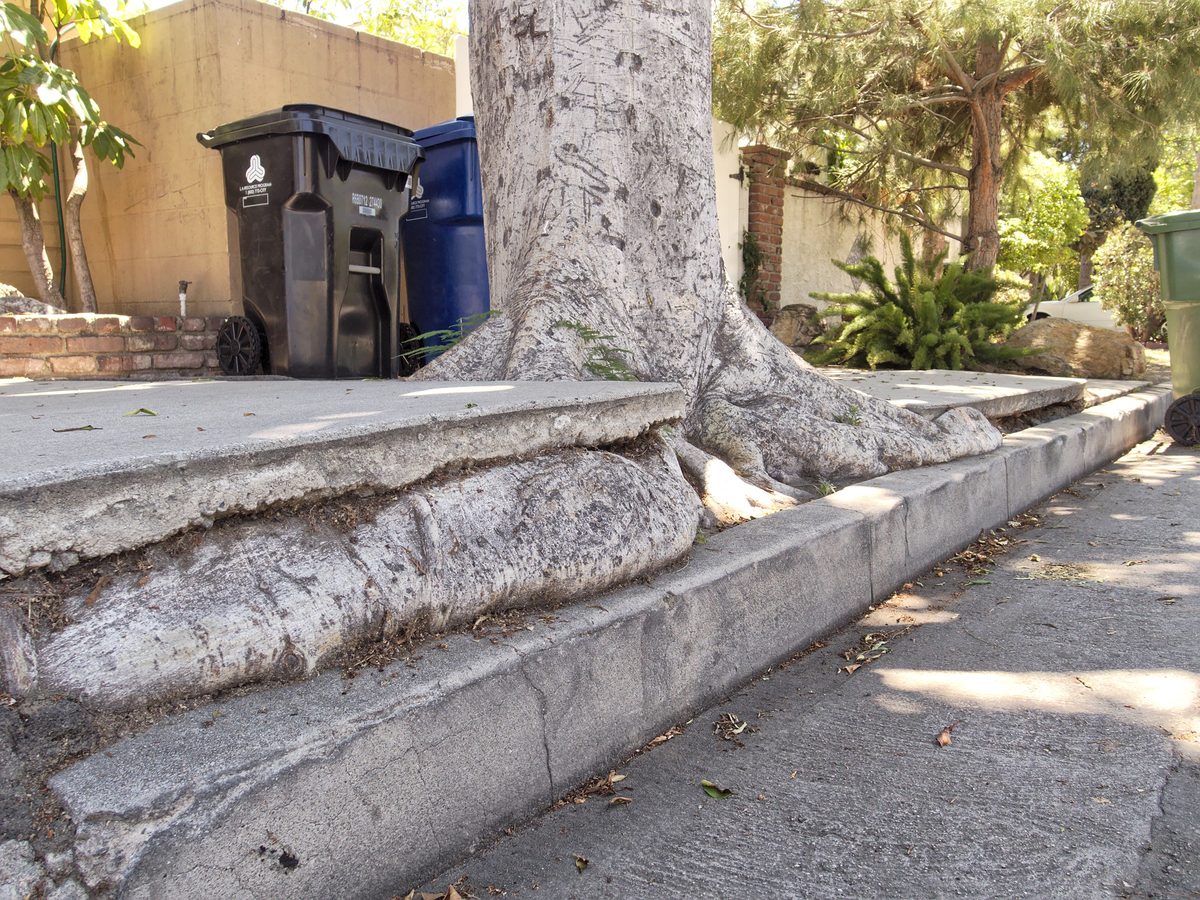
Taylor driveways and old sidewalks often have panels that dropped or edges that lifted, creating trip hazards and directing water toward the house. Leveling raises the concrete without tearing it out, which is helpful on older walks near trees and historic properties. We check joints and nearby downspouts as part of the visit. Old walks near mature trees are a common job.
Driveway & Sidewalk Leveling for Taylor homes
Driveways in Taylor sit on the same shrinking and swelling clay as everything else, and they carry heavy loads. Pickup trucks, trailers and farm or work equipment are common here, and each one presses on a slab that may have lost support underneath. The result is a driveway with a step at the joint, a panel that tilts toward the garage, or a corner that has dropped. Driveway and sidewalk leveling raises these panels and fills the void so you can keep the concrete you have. Look at the way water leaves the drive. If puddles collect at the sunken panel after rain, you are seeing the exact spot where the base is weak. That low point is often where the most lifting is needed.
Sidewalks in older parts of town, around the downtown grid, are often cracked and uneven from tree roots, age and soil movement. A raised edge of three-quarters of an inch or more can trip someone. Leveling lifts the low panel to meet the high one. For long runs of public sidewalk, find out who is responsible. In many places the city handles repairs in the right of way, or splits cost with owners, so check with the City of Taylor before paying. On rural-style lots at the edge of Taylor, gravel and caliche drives sometimes meet concrete aprons. The seam between them can wash out, dropping the first panel. Sealing that edge and grading the gravel so it does not drain onto the slab can help.
Water is usually behind the problem. Look at how runoff reaches the drive: roof gutters, street flow at the apron, or a low spot that holds water against the slab. Fix those, or the leveled panel may sink again. Think about what the drive carries, too. A work truck or a loaded trailer needs a solid base under the slab, and we choose material and injection spacing with that in mind. Tell the crew what parks there. Plan the work for dry weather if you can. Wet clay is soft, and lifting is more predictable on firm ground. A good crew will tell you if rain is on the way and may reschedule rather than risk a poor result. Ask for a written scope that lists each panel and the method planned for it.
What to know in Taylor
Heavy loads need a solid fill
Taylor drives often handle trailers, work trucks and equipment. Fill under the slab must support that weight without compressing. Describe your heaviest vehicle to the crew, and ask how the material and spacing suit it. Park heavy loads off the slab until it is cleared for use. Stake the area so cars and equipment stay clear until the slab has cured.
Aprons near the street
The lower end of a drive, where it meets the street, often takes the most water. Soil washes out there, and the panel drops. A sealed joint, a better edge or a small channel drain can stop the washout. Without it, leveling may need to be repeated within a few seasons. Ask the crew how they handle control joints and cracks near the lifted panels.
Sidewalk responsibility
Sidewalks in Taylor's public right of way may be the city's to fix, or yours, depending on local rules. Ask the City of Taylor before paying for repairs. If a panel is a clear trip hazard, document it with photos and report it. Document the condition of public sidewalks with photos before you call the city.
Signs you may need driveway & sidewalk leveling
- Cracks that follow a joint where one side sank
- Scraping at the bottom of the car or trash can wheels catching
- A raised or sunken lip between driveway panels
- Sidewalk squares that tilt or rock when stepped on
How driveway & sidewalk leveling works
A few things you can check yourself. Walk the driveway after a rain and note where water stands. Slide a yardstick across a joint to see how big the step is. Look for gaps between the slab and the soil edge. Take photos before and after storms. Having those details helps a contractor tell you whether leveling, drainage work, or full replacement is the realistic answer. Before any drilling, a call to 811 two business days ahead is required in Texas. Driveways often have irrigation, electric and communication lines nearby. We never drill without that notice. A simple log of dates, rainfall and panel heights makes the history clear. Checking after the first heavy rain following a repair is a good habit, since any new movement shows up early.
A driveway is a long chain of concrete panels, each resting on soil that responds to weather. On clay soil around Pflugerville and Manor, the panels do not all move at the same rate. One panel near the downspout sinks. Another near a tree stays high. The joint between them turns into a step. A sidewalk has the same problem on a smaller scale, with one square tipped up an inch and the next square flat. Driveway and sidewalk leveling lifts those panels to match their neighbors. Small holes are drilled in the sunken section, material is injected to fill the void and push the panel up, and the holes are patched. The concrete stays in place. You avoid breaking out slabs, hauling debris, forming and waiting for new concrete to cure.
What to expect on a Taylor visit
- 01
Survey the panels and joints
We walk the driveway or sidewalk and measure each step with a straightedge. Cracks, joint gaps and surface wear are noted. We also look at the roofline, irrigation heads and trees to find what is feeding the problem. A short list of the worst panels is written down, along with photos, so you can compare before and after.
- 02
Choose the lift approach
Depending on slab thickness, weight and the lift needed, we discuss foam or mudjacking and recommend the better match. For thin or heavily cracked panels we explain the risk of breakage and when replacement may be wiser. We also look at slab edges for spalling, since crumbling edges can break away when injection pressure rises.
- 03
Call 811 and mark holes
Texas811 gets the notice at least two business days before drilling. Meanwhile, we mark a hole pattern on each sunken panel so lift is spread evenly and nothing is drilled near known lines or reinforcing steel. Holes are generally set in a grid across the sunken panel, with extra points near edges where panels hinge downward.
- 04
Drill and inject gradually
Holes are drilled through the panel, and material is injected in small amounts. We track the rise with levels and string lines, moving between holes so the panel lifts flat instead of tipping. Foam is metered slowly, and if a panel starts to crack or rock, we stop and talk through whether to continue.
- 05
Match adjacent panels
Each panel is raised to meet its neighbors, with attention to drainage direction. A driveway has to shed water away from the garage, so we confirm the final slope instead of just closing the gap. We test drainage with water and check the apron by the garage door, where even a small reverse slope can send water inside.
- 06
Patch holes and set the cure window
Holes are patched, and the surface is cleaned. We explain how long to keep vehicles off the panels and which water source to fix so the repair stays level. Keep cars, trailers and delivery trucks off the repaired panels until we tell you the cure window has passed. A quick walk-through at the end confirms nothing was missed.
Our approach in Taylor
- We walk the property in Taylor and trace where water comes from, where it collects and where it can legally go
- We explain what we find in plain language, with photos where they help
- Repairs and installs are planned around Williamson County permitting requirements
- You get written options before any repair work begins
- We call 811 to mark buried utilities before any digging
Soil and drainage conditions around Taylor
Taylor was built for the railroad. Like Hutto and Thrall, it grew after the railroad arrived around 1875, when land that had been mostly dormant turned into a shipping point for cotton and other crops. That history shows in the houses. Historic homes near the old downtown often have pier-and-beam foundations, deep porches, original sidewalks and little modern drainage. Mid-century neighborhoods have slab homes with older concrete and gutters that may be cracked or missing. Newer subdivisions on the edge of town have small lots and builder grading that is still settling. Each type needs a different approach. For an older house, we look first at how gutters, grade and the crawl space area handle water. For a newer slab home, we look at swales, downspouts and soil compaction. For a historic home, ask a neighbor with a similar house what drainage work has been done, because the earliest owners may have left no records.
Driveway & Sidewalk Leveling questions from Taylor homeowners
Is it cheaper to level a driveway than to replace it?
Generally yes, when the concrete is in good shape. Leveling avoids demolition, hauling and re-pouring. Prices vary by site, material and the size of the area, so treat any range as a general idea only. A written estimate for your drive is the only reliable number. Ask whether the estimate covers every panel you want lifted, or only the worst ones.
Can leveling fix a driveway that is cracked all over?
Not if the slab is broken into many pieces. Lifting a shattered panel can make it worse. Panels with a few clean cracks and a good surface can be lifted and sealed. If most of the drive is crumbling, plan for replacement of the worst sections. Sunken panels near the street often need drainage work at the apron to stay put.
How soon can I use the driveway after leveling?
Foam often allows light use within about an hour. Slurry takes longer, from several hours to a day or more. The crew will advise based on the material and weather. Keep heavy loads off the slab until they say it is ready, and keep an eye on any panels that were lifted. If a panel feels loose or hollow under your feet, mention it, since that tells the crew where voids are.
Will leveling fix a cracked driveway?
It fixes height differences, not cracks. A crack that formed because a panel sank may stop growing once the panel is lifted, but the crack remains. Sealing it afterward keeps water out of the base. See our crack and joint sealing service for that step. Ask how and when the cracks will be sealed, since that step protects the base from rain after the lift.
Can you level the garage floor or the house slab?
Garage aprons and exterior slabs can be leveled. The structural slab of the house, including a garage floor that is part of the foundation, is outside our scope. If you see movement there, a structural engineer or foundation repair company should evaluate it. A foundation contractor can also tell you if the garage slab is tied to the house structure, which affects what can be lifted.
Do I need a permit?
Work on your own driveway usually does not, but sidewalks and aprons in the city right-of-way may. Rules differ by city and HOA, so check with them before scheduling. Texas also requires an 811 call at least two business days before any drilling or digging. If you rent or have an HOA, ask the board in writing, so you have the approval on file before the contractor arrives.
More about driveway & sidewalk leveling → · All services in Taylor →
Need driveway & sidewalk leveling in Taylor?
Call or send a request. We will look at where the water goes, check the grade and give you a written estimate.