Elgin · Bastrop County
Driveway & Sidewalk Leveling in Elgin, TX
Driveways and sidewalks in Elgin settle where roof runoff and street water wash soil out from under the edges, and where clay under the slab swells and shrinks. Leveling lifts uneven panels, removes trip edges and restores slope away from the garage. Tilted sections that send water toward the house are the most urgent. Replacement is sometimes the better call for badly broken slabs.
Driveway & Sidewalk Leveling for Elgin homes
Driveways in Elgin come in two very different shapes. In town, they are short slabs with a sidewalk crossing the front of the property. On the edges and out in the county, they can run 100 feet or more from the road to the house. A long driveway crosses more varied soil, so it tends to settle in patches instead of all at once. You may see one panel dropped near the garage while the rest stays flat. Look at the edges of the panel. If the dip runs along one edge and the grass beside it is lower, soil has probably eroded from under the concrete. If the whole panel is tilted toward the house, water may be running toward the garage. Each cause suggests a different mix of lifting, regrading and drainage.
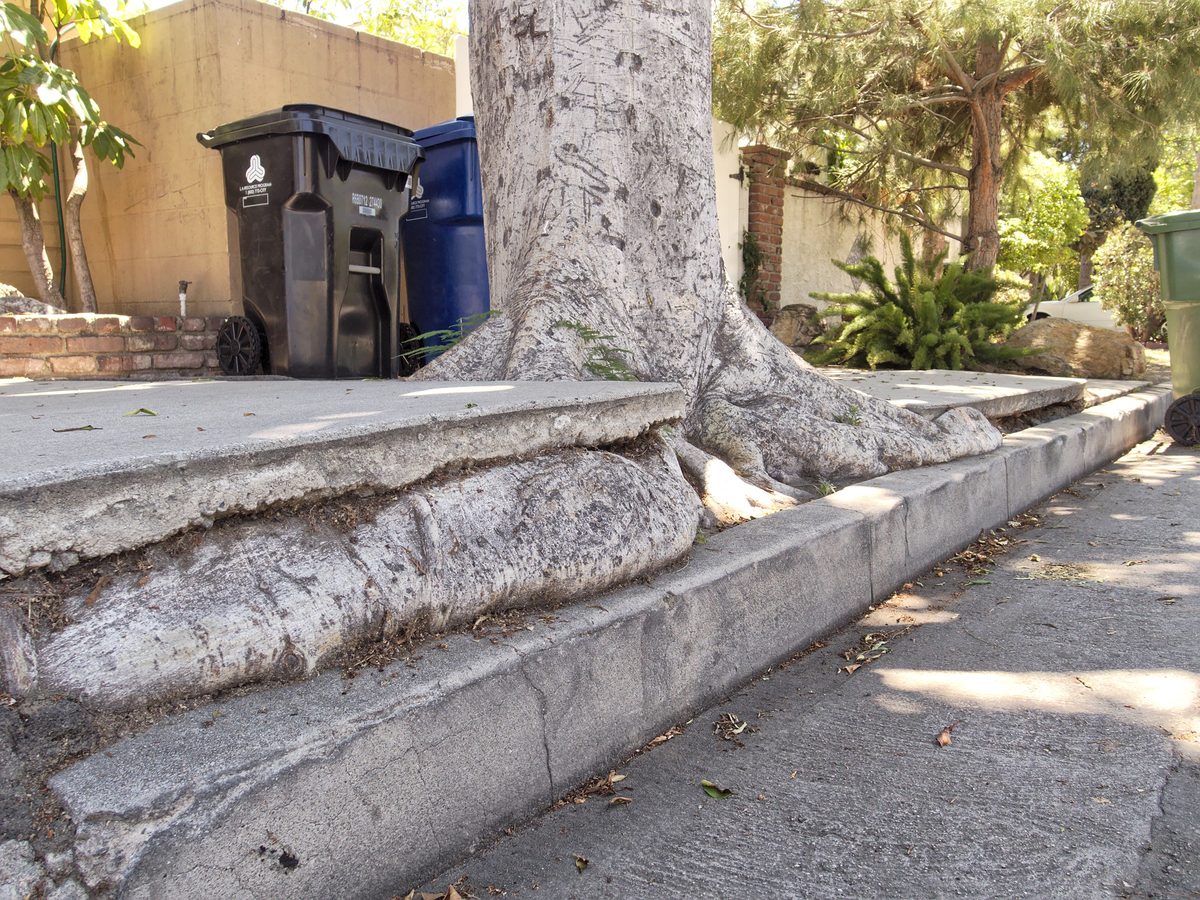
Sunken driveway panels are a safety problem and a drainage problem. An edge that sits an inch above the next panel is a trip hazard. A low panel also holds water, which seeps under the concrete and weakens the base further. Leveling lifts the panel back to match, closes the gap and tilts the surface so water runs off instead of pooling at the joint. Elgin's downtown streets and older neighborhoods carry mature trees, and their roots lift sidewalks over decades. Lifting a root-heaved panel is only a short-term fix unless the root is trimmed or the sidewalk is rerouted. A certified arborist can advise on pruning roots without harming the tree, which matters for the health of the tree and the stability of the walk.
Sidewalks need a note of their own. Tree roots, especially from larger shade trees, push up panels and create ridges. A public sidewalk along the street may fall under the City of Elgin's responsibility or yours, depending on local rules, so check with the city before repairs. Grinding can shave a small lip, but a larger drop calls for lifting. Foam and mudjacking can both raise driveway panels. Weight, access and the cause of settling decide which is better. Cosmetic issues come along with the lift. Cracks stay, color differences from old patches remain, and joints may need sealing. A clean, lifted driveway with sealed joints looks almost new, and it drains water properly again. If the surface is crumbling or spalling, a resurfacing or replacement is a better long-term answer.
What to know in Elgin
Panel by panel assessment
Long driveways rarely settle evenly. Walk the length and note which panels dropped, which cracked and which are still level. Targeted lifting of the worst panels can cost far less than treating every section, and it often solves the main trip and ponding issues. Lift the worst panels first and re-check the rest in a few months, since some settle slowly.
Heavy vehicles and trailers
Elgin driveways often carry trucks, trailers and equipment. Lifted slabs need time to cure and a solid base. Ask your contractor how soon you can drive on the surface, and avoid parking heavy loads on a freshly lifted slab until they say it is ready. Seal the joint after lifting, so rain does not run in and wash out the base again.
Sidewalk responsibility
Some cities require owners to maintain the sidewalk in front of their lot, and others handle it themselves. Rules differ. Call the City of Elgin before repairing a sidewalk in the public right of way, and ask whether permits or standards apply. Remember that heavy equipment crossing a driveway can undo repairs, so mark soft edges.
Signs you may need driveway & sidewalk leveling
- Scraping at the bottom of the car or trash can wheels catching
- A raised or sunken lip between driveway panels
- Sidewalk squares that tilt or rock when stepped on
- Water pooling at the garage door or curb
How driveway & sidewalk leveling works
A driveway is a long chain of concrete panels, each resting on soil that responds to weather. On clay soil around Pflugerville and Manor, the panels do not all move at the same rate. One panel near the downspout sinks. Another near a tree stays high. The joint between them turns into a step. A sidewalk has the same problem on a smaller scale, with one square tipped up an inch and the next square flat. Driveway and sidewalk leveling lifts those panels to match their neighbors. Small holes are drilled in the sunken section, material is injected to fill the void and push the panel up, and the holes are patched. The concrete stays in place. You avoid breaking out slabs, hauling debris, forming and waiting for new concrete to cure.
Foam, or polyurethane, leveling is the most common choice for driveways in our work. The foam is a lightweight material that expands under the slab and hardens quickly. Contractor sources put its weight at roughly 2 to 4 pounds per cubic foot, and describe a cure measured in minutes. Holes run about five eighths of an inch. Mudjacking uses a heavier slurry of cement, soil and water through larger holes, with a longer wait before traffic returns. For a driveway, the cure time matters. If you need to move a car out of the garage the same day, a faster-setting material is helpful. Always ask how long to wait before parking on the repair, since panels that carry vehicles need the material to reach working strength.
What to expect on a Elgin visit
- 01
Survey the panels and joints
We walk the driveway or sidewalk and measure each step with a straightedge. Cracks, joint gaps and surface wear are noted. We also look at the roofline, irrigation heads and trees to find what is feeding the problem. A short list of the worst panels is written down, along with photos, so you can compare before and after.
- 02
Choose the lift approach
Depending on slab thickness, weight and the lift needed, we discuss foam or mudjacking and recommend the better match. For thin or heavily cracked panels we explain the risk of breakage and when replacement may be wiser. We also look at slab edges for spalling, since crumbling edges can break away when injection pressure rises.
- 03
Call 811 and mark holes
Texas811 gets the notice at least two business days before drilling. Meanwhile, we mark a hole pattern on each sunken panel so lift is spread evenly and nothing is drilled near known lines or reinforcing steel. Holes are generally set in a grid across the sunken panel, with extra points near edges where panels hinge downward.
- 04
Drill and inject gradually
Holes are drilled through the panel, and material is injected in small amounts. We track the rise with levels and string lines, moving between holes so the panel lifts flat instead of tipping. Foam is metered slowly, and if a panel starts to crack or rock, we stop and talk through whether to continue.
- 05
Match adjacent panels
Each panel is raised to meet its neighbors, with attention to drainage direction. A driveway has to shed water away from the garage, so we confirm the final slope instead of just closing the gap. We test drainage with water and check the apron by the garage door, where even a small reverse slope can send water inside.
- 06
Patch holes and set the cure window
Holes are patched, and the surface is cleaned. We explain how long to keep vehicles off the panels and which water source to fix so the repair stays level. Keep cars, trailers and delivery trucks off the repaired panels until we tell you the cure window has passed. A quick walk-through at the end confirms nothing was missed.
Our approach in Elgin
- We walk the property in Elgin and trace where water comes from, where it collects and where it can legally go
- We explain what we find in plain language, with photos where they help
- Repairs and installs are planned around Bastrop County permitting requirements
- You get written options before any repair work begins
- We call 811 to mark buried utilities before any digging
Soil and drainage conditions around Elgin
Expect three problems again and again in Elgin. First, soggy yards where the clay refuses to absorb water, which is where French drains, surface swales and dry wells do the most good. Second, downspouts that dump right at the foundation, which feed the same clay that swells and shrinks under the slab. Third, concrete that sinks or heaves, because clay moves with moisture and fill under new slabs compacts unevenly. Foam leveling lifts patios, walks and driveways without tearing them out, and crack and joint sealing keeps surface water from washing under the edges. We do not repair structural foundations. If doors stick, bricks crack or you see stair-step cracks in the walls, have a structural engineer or foundation repair company evaluate the house. Fixing the drainage around it is often part of keeping the repair stable. Dry summers make it worse, because shrunken clay opens cracks that gulp the first rain, then swells shut and sends the rest across the surface. Annual rainfall is roughly in the mid-30 inches.
Driveway & Sidewalk Leveling questions from Elgin homeowners
Can a sunken driveway be lifted instead of replaced?
In many cases, yes, if the concrete is mostly intact. Lifting costs less than tearing out and repouring, and it is quicker. Panels that are crushed or crumbling may need replacing. An in-person look at the thickness, cracks and base tells you which route fits. Dated photos of the dropped edge help you and the contractor agree on the target afterward.
What causes driveway panels to sink here?
Common causes include water running under the edges, poorly compacted fill under the base, tree roots, and clay that swells and shrinks with weather. Often it is a mix. Fixing the water source helps keep the repair in place. If soil has washed out at the slab edge, ask whether backfill and a firm lip of dirt or gravel are part of the job.
Is a raised sidewalk edge my responsibility?
It depends on city rules and where the sidewalk sits. Many cities expect owners to keep sidewalks in front of their homes safe, while others repair public sidewalks themselves. Contact the City of Elgin to find out before paying for repairs. Ask an arborist before cutting roots, because heavy pruning can weaken or kill a tree.
Can you level the garage floor or the house slab?
Garage aprons and exterior slabs can be leveled. The structural slab of the house, including a garage floor that is part of the foundation, is outside our scope. If you see movement there, a structural engineer or foundation repair company should evaluate it. A foundation contractor can also tell you if the garage slab is tied to the house structure, which affects what can be lifted.
Do I need a permit?
Work on your own driveway usually does not, but sidewalks and aprons in the city right-of-way may. Rules differ by city and HOA, so check with them before scheduling. Texas also requires an 811 call at least two business days before any drilling or digging. If you rent or have an HOA, ask the board in writing, so you have the approval on file before the contractor arrives.
Can a driveway be leveled instead of replaced?
Often yes, if the concrete is mostly sound. Leveling lifts the sunken panel without breaking it out, which avoids demolition and new concrete. If a panel is crumbling or badly cracked, replacement may be the better choice. A site visit is the only way to know for sure. Bring photos from before the work, and ask about edge condition, since crumbling edges can limit what lifting can do.
More about driveway & sidewalk leveling → · All services in Elgin →
Need driveway & sidewalk leveling in Elgin?
Call or send a request. We will look at where the water goes, check the grade and give you a written estimate.