Taylor · Williamson County
Yard Drainage & Regrading in Taylor, TX
Regrading restores fall away from the house, and in Taylor that often means rebuilding swales that decades of landscaping and settling erased. On flat Blackland lots, an inch or two of grade makes a visible difference. We check uphill neighbors and the street level first, so water has somewhere to go once we reshape the yard. We map the high and low points first.
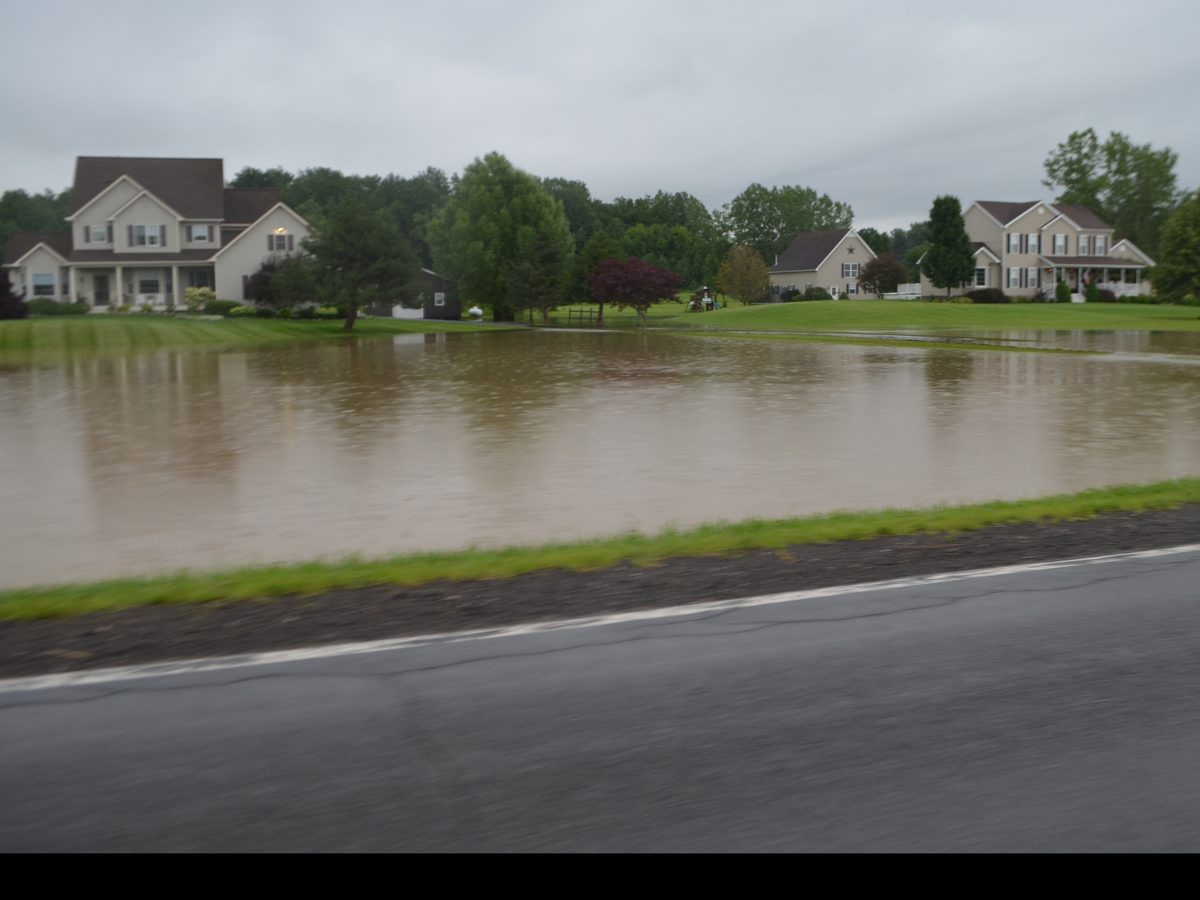
Yard Drainage & Regrading for Taylor homes
Most yards in Taylor have a drainage story that starts with how flat the land is. Rain that falls on a nearly level lot has nowhere obvious to go, so it spreads out and sits. Add Blackland clay, which holds water, and you get lawns that stay squishy for days and low spots that turn into small ponds after a storm. A grade that looks fine to the eye may fall less than an inch over twenty feet, which is not enough to move water on clay. The land around Taylor was farmed for generations, and some of the old field drainage patterns still show up in the lay of the land. Faint low lines that cross a yard may follow an old furrow or swale that water still likes to use. Working with those lines is easier than fighting them.
Regrading in Taylor is about creating just enough slope. A fall of about six inches over the first ten feet from the house keeps water away from the slab. Past that, a gentle swale, often only a couple of inches deep and wide, steers water toward the street or a rear ditch. Because the land is so level, tiny errors in grade matter. We use a laser or a transit to set the lines, and we check the result with a hose test or a rainfall. On flat lots we often combine small moves: a bit of fill beside the house, a shallow swale along the side yard, and a basin at the low end. Each piece does a modest job, and together they clear a yard that one big change could not.
Many Taylor lots are former farm fields or former pasture. In newer subdivisions, builders strip and fill the ground, and the fill settles unevenly for years. In the older grid near downtown, lots have been reworked many times, and driveways and additions block the original flow paths. Either way, ask the City of Taylor and your HOA about drainage rules and easements before moving soil, and remember that you cannot push surface water onto a neighbor under Texas Water Code Section 11.086. Sod type and lawn care affect results too. Bermuda and buffalo grass tolerate Taylor heat and hold soil on a swale. Overwatering a lawn keeps the clay saturated, so check sprinkler timers before you blame the rain for a soggy corner.
What to know in Taylor
Small errors matter on flat lots
A half inch of error over a long swale can turn a drainage path into a pond. Taylor's flat ground leaves little room for mistakes, so the grade needs to be set with a level or laser, not by eye. Check the finished slope with a hose or after the first real rain. Mark your lot's high and low points with stakes after a rain so the survey is easier.
Fill settles for years
New subdivisions around Taylor sit on graded and filled ground. Soil that was not compacted well can sink, and the low spot moves. If you see a new dip form next to the house, fill it with compacted soil promptly, and watch the area through a few seasons. Keep records of any grade work you pay for, because buyers and neighbors may ask about it later.
Ditches and easements
Some Taylor lots back up to drainage ditches or have easements along the property line. Those paths carry water for several properties, and blocking or changing them can cause trouble for neighbors. Ask the city what is recorded on your lot before you build or regrade near them. Compact each layer of fill, since loose soil settles and brings the dip right back.
Signs you may need yard drainage & regrading
- Water entering the garage or crossing a driveway toward the slab
- A neighbor's yard sitting higher and sending water to your lot
- Water pooling within a few feet of your foundation after rain
- Soil that slopes toward the house instead of away from it
How yard drainage & regrading works
Rules and approvals matter more than most homeowners expect. Many cities in Travis and Williamson Counties have lot grading standards, and some neighborhoods have drainage easements recorded along rear or side lot lines. Altering the grade inside an easement can require city approval, and an HOA may need to review changes that affect the look of the lot. These details vary by city, so check with your city or HOA before work begins. Calling Texas811 at least two business days before any digging is also required, and it protects you from striking a buried line while reshaping the yard. A good plan covers the rules, the utilities, and the slope together before any soil moves. Keep copies of approvals for future buyers.
Every yard has a drainage plan, whether anyone designed it or not. When a home is built, the lot is shaped so that rain runs away from the foundation, across the lawn, and toward the street, a swale, or a storm inlet. Over the years that shape erodes. Soil settles near the slab, mulch beds pile up against siding, a new patio blocks an old path, and a fence or a neighbor's raised yard changes where water wants to go. Yard drainage and regrading work puts the shape back, or builds a better one, so water has a clear and gentle route off the property instead of lingering where you do not want it. Think of it as repairing the lot's original job rather than adding something new.
What to expect on a Taylor visit
- 01
Observe how water moves
The most useful information comes from the water itself. We look at the lot after rain, mark where water enters, pools, and leaves, and note downspout locations, neighboring grades, and fence gaps. Your photos and notes from past storms help us see what a dry-day visit cannot. We also check for signs of leaks that grading cannot solve.
- 02
Measure the grade
We shoot elevations with a laser or transit level across the yard and along the foundation. That tells us how much fall exists now and how much soil must move. We compare readings to the common guidance of about six inches of drop in the first ten feet from the house, then plan around what the lot allows.
- 03
Locate utilities and review rules
Texas law requires a call to 811 at least two business days before digging. We mark the work area and also look for private irrigation lines and easements. Any plan that touches an easement, a shared lot line, or an HOA-controlled feature is checked with the city or HOA before we start moving soil.
- 04
Reshape the ground
We pull mulch and topsoil back from the foundation, add compacted clean fill where low areas need building up, and cut swales where water needs a path. Soil is placed in lifts and compacted so it does not settle into a new bowl after the first heavy rain. The finish grade is checked again with the level.
- 05
Add structure where grading alone is not enough
Some lots need help from a catch basin, channel drain, French drain, or downspout extension to complete the water path. We tie these pieces into the new grade so water reaches a legal, safe outlet. Adding hardware only where the slope cannot do the job keeps costs reasonable and the yard looking natural.
- 06
Restore and stabilize the surface
Bare clay erodes quickly in a Texas downpour, so the new grade needs cover. We replace sod or seed with erosion control, and rake mulch back at a safe distance from the slab. We then walk the site with you and explain what to watch after the first two or three real rainstorms.
Our approach in Taylor
- We walk the property in Taylor and trace where water comes from, where it collects and where it can legally go
- We explain what we find in plain language, with photos where they help
- Repairs and installs are planned around Williamson County permitting requirements
- You get written options before any repair work begins
- We call 811 to mark buried utilities before any digging
Soil and drainage conditions around Taylor
Taylor was built for the railroad. Like Hutto and Thrall, it grew after the railroad arrived around 1875, when land that had been mostly dormant turned into a shipping point for cotton and other crops. That history shows in the houses. Historic homes near the old downtown often have pier-and-beam foundations, deep porches, original sidewalks and little modern drainage. Mid-century neighborhoods have slab homes with older concrete and gutters that may be cracked or missing. Newer subdivisions on the edge of town have small lots and builder grading that is still settling. Each type needs a different approach. For an older house, we look first at how gutters, grade and the crawl space area handle water. For a newer slab home, we look at swales, downspouts and soil compaction. For a historic home, ask a neighbor with a similar house what drainage work has been done, because the earliest owners may have left no records.
Yard Drainage & Regrading questions from Taylor homeowners
Why does my Taylor yard stay wet so long after rain?
Flat ground and Blackland clay are the usual reasons. Clay takes in water slowly, and a flat lot has little slope to carry it off. Roof runoff, sprinklers and nearby low spots can add to it. A look at where water enters and where it should leave points to the fix. Notes about where the water goes, and how long it stays, give a pro more to work with than a general description.
How much does regrading a yard cost?
It depends on the size of the area, how much soil must move, and whether sod, drains or other work is included. Because every site differs, any general range is only a rough guide and not a quote. A visit to measure slope and see the lot is the only way to price it. A hose test after regrading shows quickly whether water now runs the right way.
Should I add topsoil to fix low spots?
Sometimes, but not alone. Loose topsoil on top of clay can hold water like a sponge, and it may wash away. Compacted fill shaped to a slope works better, followed by sod. Also check the cause of the low spot, like a downspout, so the problem does not return. Check that the finished grade leaves room for siding and weep holes at the base of brick walls.
Can good drainage protect my foundation in clay soil?
It helps a great deal. On expansive clay, foundations suffer when soil near the edges stays wet while the soil under the middle dries. Keeping water away from the slab evens those swings out. It is not a structural repair. If you see widening cracks or sticking doors, a structural engineer should evaluate the house first. Drainage is a protective step, not a structural fix.
How soon after rain should I check my yard?
Walk the yard during or just after a heavy storm and take photos. Look for where water collects, where it runs, and how long it stays. Then check again after 24 and 48 hours. Water that is gone within a day is behaving normally for clay. Water that lingers for several days is worth having a pro evaluate. Photos with timestamps help a lot.
Does my HOA need to approve yard drainage work?
Many HOAs review changes to grading, fences, and visible hardscape, and some neighborhoods have recorded drainage easements. The rules vary from one community to another, and they differ too much to state for your street. Check with your city or HOA before work begins, and keep any approval in writing so there are no surprises later. A short email to the HOA is usually enough to start.
More about yard drainage & regrading → · All services in Taylor →
Need yard drainage & regrading in Taylor?
Call or send a request. We will look at where the water goes, check the grade and give you a written estimate.