Cedar Park · Williamson County
French Drain Installation in Cedar Park, TX
In Cedar Park, a French drain often catches water moving sideways on top of limestone before it reaches the house. Trenching can hit rock, which slows the work and may call for rock-cutting tools. We set the slope and outlet carefully, and avoid sending water onto a neighbor's lot or into a restricted easement. Many hillside yards need more than one drain.
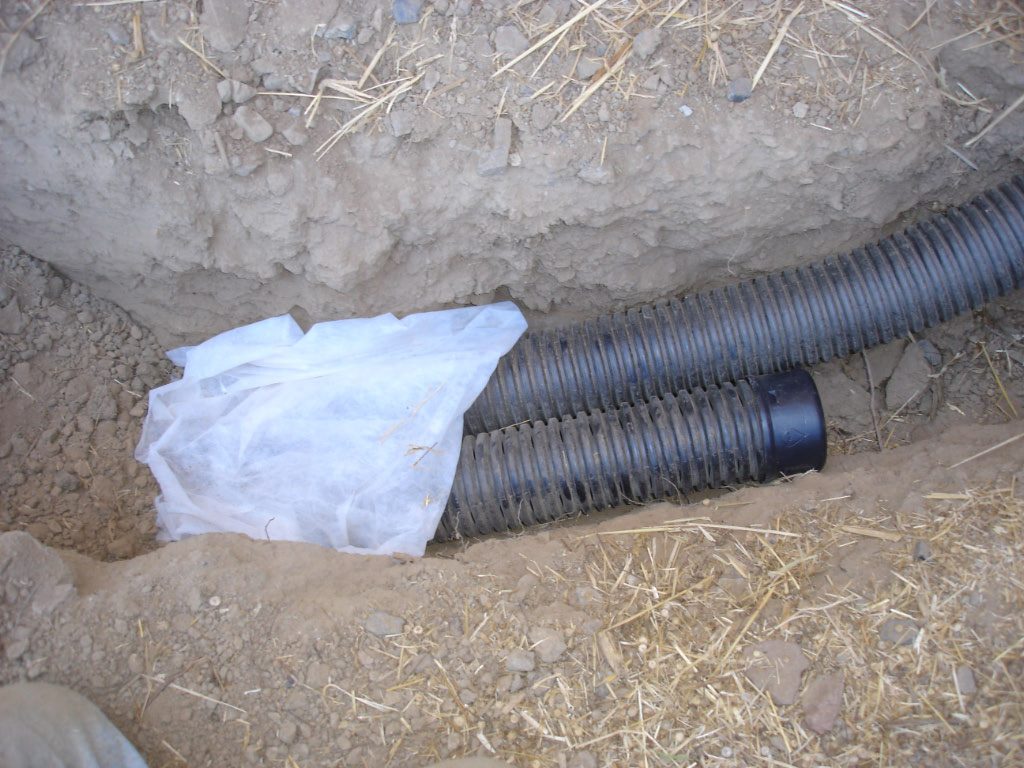
French Drain Installation for Cedar Park homes
Cedar Park sits on the edge of the Balcones Escarpment, where the flat Blackland country to the east gives way to rolling limestone hills. That shows up in a yard as a slope. Many lots here step down toward the back fence, and rain that falls on the uphill neighbor's lawn travels across yours before it reaches a street or a creek. A French drain is a gravel trench with a perforated pipe inside, and on a hillside lot it works as an interceptor. You cut it across the slope, above the area you want to protect, and it catches water before it crosses a patio, a retaining wall or the back of the house. Water that moves as a thin sheet at the top of a hill becomes a fast stream by the bottom, so the lowest lots on a street often collect the most.
The ground below the grass is the tricky part. Cedar Park takes its name from a limestone unit that geologists have mapped in the area, and the rock here can sit only a few inches under the surface on one part of a lot and several feet down a few steps away. Pockets of clay fill the low spots between rock shelves. Rain soaks through the thin topsoil, hits rock or tight clay and then moves sideways along that layer. Water that seems to appear from nowhere on a lawn is often traveling this way. A trench placed where the water surfaces can catch it, but the crew has to plan for rock cutting and for a pipe that holds its slope over uneven ground.
Outlet planning matters as much as the trench. Cedar Park's city code adopts the Austin Drainage Criteria Manual for drainage design, so larger grading projects and work that changes how water leaves a lot may be reviewed against it. Ask the city whether your project needs a permit. Texas Water Code section 11.086 also makes it unlawful to divert surface water in a way that damages a neighbor's property, so a drain should not just empty onto the lot below. Many hillside homeowners tie the outlet into a street curb, a swale already built for runoff or a spot on their own land where water can spread out and slow down. Ask the crew to mark the outlet on a simple sketch of your lot, so you can show the city or your HOA exactly where the collected water ends up.
What to know in Cedar Park
Cutting through limestone shelves
Digging a trench in Cedar Park can mean hitting solid rock a foot down. Crews may need a rock saw or a hydraulic breaker, which adds time and noise. Shallow trenches are fine as long as the pipe keeps a steady fall toward the outlet. Ask how the contractor plans to handle rock before you sign, since it changes the schedule.
Stop if you find a void
Karst caves are documented west of town, in the Buttercup Creek area, and small voids can appear in limestone elsewhere. If a trench opens a hole that blows air, swallows water or drops away, stop digging and call the city. Parts of the area may fall under Edwards Aquifer rules, so check with the city or TCEQ before work continues.
Drains above retaining walls
Many hillside yards have stacked stone or block retaining walls. Water that builds up behind a wall pushes on it, and weep holes can clog. A French drain set uphill from the wall, a few feet back, can cut that pressure. Keep it clear of the wall footing and do not trench so close that you loosen the soil holding the wall in place.
Signs you may need french drain installation
- Mud or water seeping into a garage or along a slab edge
- Soil washing away or forming gullies under downspouts
- Patches of dead grass in a pattern that follows a low area
- A neighbor's runoff or a slope that sends water toward your house
How french drain installation works
The exit point is where many do-it-yourself drains fail. Water has to go somewhere, and in a subdivision with small lots that somewhere is limited. Options include a daylight outlet at a lower part of your lot, a connection to a catch basin or pop-up emitter, a dry well in soil that can accept it, or the street curb where a city allows it. Texas Water Code Section 11.086 says you cannot divert or impound the natural flow of surface water in a way that damages a neighbor's property, so pointing a pipe at the fence line is not a solution. Rules about what you may connect to differ by city, so check with your city or HOA before you finalize the exit.
A French drain is also not a cure for everything. It will not stop a leaking irrigation line, fix a gutter that dumps beside the house, or repair a foundation that has already moved. If cracks in your walls or doors that stick suggest movement, a structural engineer or foundation repair company should look at the house, since that is not work a drainage contractor does. What a French drain can do is reduce the swing between very wet and very dry soil beside the slab, which is the cycle that stresses foundations on expansive clay. Used with good gutters and grading, it is one piece of a plan that keeps water moving away from the house. Good drainage is cheaper than repairs.
What to expect on a Cedar Park visit
- 01
Walk the property and read the water
We look at where water pools, where it enters the yard, and how it behaves a day after rain. We check lot slope, gutter outlets, neighboring grades, and fence lines. Photos of the yard during or right after a storm help a lot. This visit sets the drain's location and shows whether a French drain is the right tool at all.
- 02
Call 811 and mark the layout
Texas law requires a call to 811 at least two business days before digging, weekends and holidays excluded. Utilities mark their public lines for free. We also paint the planned trench path, and we flag private lines such as irrigation, which public locators usually do not mark, so the trench avoids them.
- 03
Set the slope and dig the trench
The trench is cut to a consistent grade, usually about one percent or steeper, and to a depth that suits the problem. We check the bottom with a laser or level before anything goes in. Sod and topsoil are set aside when possible so the lawn can be put back with less visible scarring.
- 04
Line, pipe, and gravel
Filter fabric lines the trench so clay and silt cannot clog the gravel. Washed stone goes down first, then perforated pipe with holes facing down in most designs, then more stone. The fabric folds over the top. Clean, rounded or angular washed stone is used rather than soil-laden fill that would plug the voids.
- 05
Build the outlet and connections
The solid pipe leading away from the perforated section runs to the chosen exit, such as a daylight point, a pop-up emitter, a catch basin, or a dry well where soil allows. Cleanouts or inspection points are added at turns where practical, so the line can be flushed later if it ever slows.
- 06
Test, backfill, and restore
We run water through the system to confirm flow and to watch the outlet. After a pass, the trench is topped with soil or a layer of decorative stone, and the area is raked and graded. We review the finished layout with you, including where the cleanouts are and what to watch after the first heavy rain.
Our approach in Cedar Park
- We walk the property in Cedar Park and trace where water comes from, where it collects and where it can legally go
- We explain what we find in plain language, with photos where they help
- Repairs and installs are planned around Williamson County permitting requirements
- You get written options before any repair work begins
- We call 811 to mark buried utilities before any digging
Soil and drainage conditions around Cedar Park
Problems in Cedar Park usually involve water running or seeping where it should not. Downspouts empty onto slopes and erode the soil. Water sits on the rock layer and appears as wet patches in yards below. Retaining walls hold back water that has no way out. Sidewalks and driveways crack where fill meets rock. Patios sink where erosion cuts voids under them. Fixes include French drains that catch seepage, buried downspout lines, catch basins at the base of slopes, swales and selective regrading. Foam leveling lifts settled concrete, and sealing slows water entry at joints. If you notice stair-step cracks or sticking doors, a structural engineer or foundation repair company should evaluate the house. We do not do piers or structural repair, but we can improve the water control around the home.
French Drain Installation questions from Cedar Park homeowners
Will a French drain fix water running down my slope?
It can, if you place it across the slope above the area you want dry and give it a clear outlet. The drain catches water moving through the upper soil and sends it around your yard. It will not stop a heavy surface flood, so on steep lots it is often paired with a swale or regrading to move the faster, shallower runoff.
What if my contractor hits rock or a void?
Rock is common in Cedar Park, and a good crew plans for it with a saw or breaker. A void is different. If the trench opens a cave, blows air or swallows water, stop and call the city. Do not fill it with random material or pour water into it. Ask the city or TCEQ about any karst or aquifer rules that apply to your lot.
Do I need a permit for a French drain in Cedar Park?
A small drain on your own lot often does not, but rules vary with the project. Work that moves a lot of soil, changes drainage paths or ties into a public system may need review, and Cedar Park follows the Austin Drainage Criteria Manual. Your HOA may also have its own approval step. Call the city development services office and your HOA before you dig.
Do I need to call 811 before a French drain is dug?
Yes. Texas law requires anyone who excavates, homeowners included, to contact Texas811 at least two business days before digging, not counting weekends or holidays. Public utilities mark their lines for free. Private lines such as irrigation, yard lighting, and some gas lines to outbuildings may not be marked, so tell the crew what you know. Call early so your start date is not delayed.
Where does the water from a French drain end up?
It must go somewhere that will not harm anyone. Typical outlets are a lower part of your own lot, a pop-up emitter, a catch basin, a dry well, or a street connection where your city allows it. Texas Water Code Section 11.086 prohibits diverting surface water in ways that damage a neighbor's property. For a dispute, talk with a lawyer.
Will a French drain clog in clay soil?
Poorly built ones can. Clay and silt slip into gravel and pipe when there is no filter fabric, or when soil rather than clean stone is used. A properly wrapped drain with washed gravel stays open for many years. Cleanouts let a line be flushed. Tree roots are the other common culprit, so keep the line away from large trees when you can. A cleanout makes that easy.
More about french drain installation → · All services in Cedar Park →
Need french drain installation in Cedar Park?
Call or send a request. We will look at where the water goes, check the grade and give you a written estimate.