Cedar Park · Williamson County
Yard Drainage & Regrading in Cedar Park, TX
Cedar Park lots slope, step and sometimes sit on cut rock, so regrading has to respect what is underneath. We build swales that shed water around the house, correct reversed grade at the foundation and manage runoff at retaining walls. The city has a site fill and grading permit, so ask before major earthwork. Rock close to the surface also limits how deep swales can go.
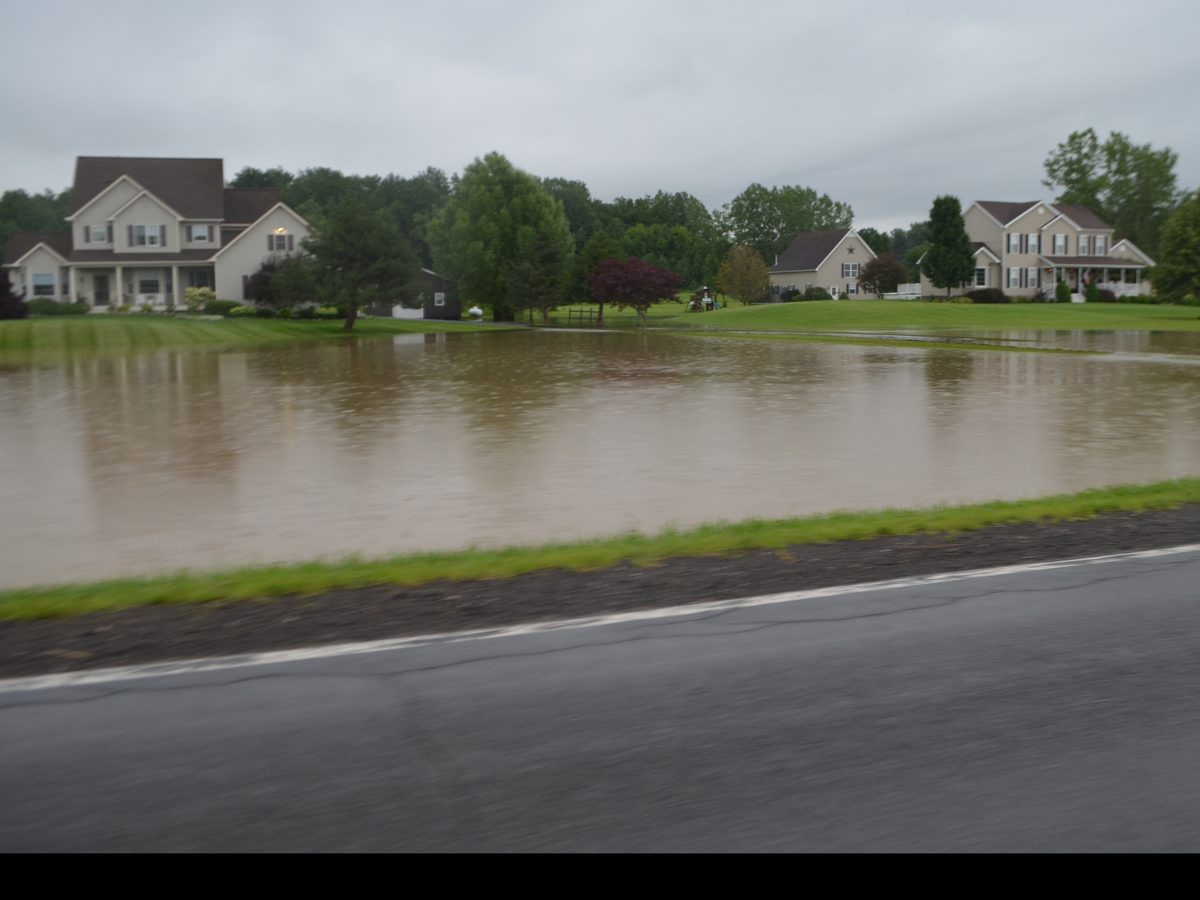
Yard Drainage & Regrading for Cedar Park homes
Most Cedar Park yards did not start out as natural ground. Builders cut into the hillsides on one side of a lot and filled the other side, then laid sod over the result. That cut-and-fill work creates steps, short slopes and flat pads, and each one can send water in a new direction. Yard drainage and regrading is about reading those slopes and reshaping them so rain leaves the lot without hitting the house or pooling in a corner. A few inches of change in the right place can reroute a lot of water, because the Balcones hillsides move runoff quickly once it starts. Walk your lot after a storm with a notepad, since the flow lines you see in the grass and mulch show exactly where the grade is wrong.
Soil depth is the thing that surprises people. Limestone lies close to the surface in much of Cedar Park, and the soil over it can change from a thick clay pocket to a few inches of dirt across a few steps. Researchers who study the Balcones Escarpment describe stair-stepped slopes where soil depth changes over very short distances. For regrading, that means you cannot assume you can dig down anywhere. Crews often work by building up gentle swales with compacted fill, shaping berms that guide water and adding drain pipe where rock blocks a trench. Bare, thin soil should be covered quickly with sod or mulch to stop it from washing off. Ask the crew how deep they expect to dig and what they will do if rock appears, because the answer changes both the plan and the cost.
Think about where the water ends up before you move any dirt. Cedar Park uses the Austin Drainage Criteria Manual for drainage design, and major grading may need a permit or a review, so ask the city first. Texas Water Code section 11.086 bars diverting surface water in ways that damage a neighbor, which matters on slopes where every change flows downhill to someone. If your yard backs to a greenbelt or the Brushy Creek trail corridor, ask who owns the strip and whether discharge is allowed. Keep soil below the slab line and away from siding, and check HOA rules for fences, walls and grade changes. Keep notes and photos of the yard before and after the work, since they help if a question about drainage ever comes up later.
What to know in Cedar Park
Compaction on fill areas
Some Cedar Park lots sit partly on fill that was placed when the neighborhood was graded. Loose new fill on top of it can settle unevenly and bring puddles back within a year. Add soil in thin layers, compact each one and let it settle through a rain or two before sodding. Rushed fill is the main reason regraded yards sink again.
Slope steepness and erosion
On a steep hillside, even a gentle swale can speed water up enough to cut a gully. Lining the swale with sod, rock or erosion blanket slows it down. Terracing the yard into short, flatter steps with small walls can work better than a single long slope. The goal is to move water without letting it gain speed.
Do not bury the weep holes
Raising soil against the foundation or a retaining wall hides the weep holes and traps water behind them. Keep the grade a few inches below the top of the slab and clear of siding and vents. When regrading, pull soil back from walls and build the slope away from them, not toward them.
Signs you may need yard drainage & regrading
- Bare patches or erosion lines where water runs across the lawn
- A yard that stays muddy or squishy for days after a storm
- Water entering the garage or crossing a driveway toward the slab
- A neighbor's yard sitting higher and sending water to your lot
How yard drainage & regrading works
Not every wet yard is a grading problem, and that is worth checking before anyone digs. A patch that stays soggy even in dry weather can point to a leaking irrigation valve, a cracked supply line, or a slab leak, which a plumber or irrigation specialist should evaluate. A flat lot with no fall at all may need more than surface work, such as a French drain, a catch basin, or a dry well. Downspouts that dump at the foundation are another common source. A quick test is to run a hose on a dry day at the suspect area and see whether the water moves away or sits there, then compare that with where the yard stays wet after rain. That small test often saves a homeowner from paying for the wrong repair.
Rules and approvals matter more than most homeowners expect. Many cities in Travis and Williamson Counties have lot grading standards, and some neighborhoods have drainage easements recorded along rear or side lot lines. Altering the grade inside an easement can require city approval, and an HOA may need to review changes that affect the look of the lot. These details vary by city, so check with your city or HOA before work begins. Calling Texas811 at least two business days before any digging is also required, and it protects you from striking a buried line while reshaping the yard. A good plan covers the rules, the utilities, and the slope together before any soil moves. Keep copies of approvals for future buyers.
What to expect on a Cedar Park visit
- 01
Observe how water moves
The most useful information comes from the water itself. We look at the lot after rain, mark where water enters, pools, and leaves, and note downspout locations, neighboring grades, and fence gaps. Your photos and notes from past storms help us see what a dry-day visit cannot. We also check for signs of leaks that grading cannot solve.
- 02
Measure the grade
We shoot elevations with a laser or transit level across the yard and along the foundation. That tells us how much fall exists now and how much soil must move. We compare readings to the common guidance of about six inches of drop in the first ten feet from the house, then plan around what the lot allows.
- 03
Locate utilities and review rules
Texas law requires a call to 811 at least two business days before digging. We mark the work area and also look for private irrigation lines and easements. Any plan that touches an easement, a shared lot line, or an HOA-controlled feature is checked with the city or HOA before we start moving soil.
- 04
Reshape the ground
We pull mulch and topsoil back from the foundation, add compacted clean fill where low areas need building up, and cut swales where water needs a path. Soil is placed in lifts and compacted so it does not settle into a new bowl after the first heavy rain. The finish grade is checked again with the level.
- 05
Add structure where grading alone is not enough
Some lots need help from a catch basin, channel drain, French drain, or downspout extension to complete the water path. We tie these pieces into the new grade so water reaches a legal, safe outlet. Adding hardware only where the slope cannot do the job keeps costs reasonable and the yard looking natural.
- 06
Restore and stabilize the surface
Bare clay erodes quickly in a Texas downpour, so the new grade needs cover. We replace sod or seed with erosion control, and rake mulch back at a safe distance from the slab. We then walk the site with you and explain what to watch after the first two or three real rainstorms.
Our approach in Cedar Park
- We walk the property in Cedar Park and trace where water comes from, where it collects and where it can legally go
- We explain what we find in plain language, with photos where they help
- Repairs and installs are planned around Williamson County permitting requirements
- You get written options before any repair work begins
- We call 811 to mark buried utilities before any digging
Soil and drainage conditions around Cedar Park
Problems in Cedar Park usually involve water running or seeping where it should not. Downspouts empty onto slopes and erode the soil. Water sits on the rock layer and appears as wet patches in yards below. Retaining walls hold back water that has no way out. Sidewalks and driveways crack where fill meets rock. Patios sink where erosion cuts voids under them. Fixes include French drains that catch seepage, buried downspout lines, catch basins at the base of slopes, swales and selective regrading. Foam leveling lifts settled concrete, and sealing slows water entry at joints. If you notice stair-step cracks or sticking doors, a structural engineer or foundation repair company should evaluate the house. We do not do piers or structural repair, but we can improve the water control around the home.
Yard Drainage & Regrading questions from Cedar Park homeowners
How do I tell whether my slope helps or hurts drainage?
Watch the yard during a rainstorm, or run a hose for ten minutes at the top of the slope. Water should move away from the foundation and toward a street, swale or drain. If it lingers, runs toward the house or cuts a channel, the grade needs work. Take photos so a pro can see the flow pattern. A photo with a tape measure in it helps a pro judge the slope.
Can I regrade my hillside lot on my own?
Small fixes like pulling soil back from the slab or filling a low spot are doable. Larger work, such as building swales, moving fill or touching retaining walls, is harder to do safely. Call 811 at least two working days before digging. Check with Cedar Park and your HOA, since major grading may need approval. A handheld level and a few stakes with string show the slope clearly.
What happens if my fix sends water to a neighbor?
You could be responsible for damage. Texas Water Code section 11.086 makes it unlawful to divert or impound the natural flow of surface water in a way that damages another person's property. This is a general explanation, not legal advice. If you are in a dispute with a neighbor, talk with a Texas attorney who handles property or water issues.
Can I change the grade if it sends water to my neighbor?
Be careful. Texas Water Code Section 11.086 says you may not divert or impound the natural flow of surface water in a way that damages another person's property. A grading change should keep water moving in its natural direction. If you have a dispute with a neighbor, a lawyer can advise you. This is general information and not legal advice. Document the problem with dated photos.
Do I need to call 811 for a regrade?
Yes, when the work involves digging, and that includes shaping soil with equipment. Texas law requires notice to Texas811 at least two business days before digging, weekends and holidays excluded. Utilities mark their public lines for free. Tell the crew about private lines like irrigation, because those are usually not marked. Call early to protect your schedule. Ask the crew how they plan to avoid those lines.
Why does water pool by my foundation even though I have gutters?
Gutters collect roof water, but the downspouts still release it onto the ground. If they end next to the slab, or the soil beside the house has settled, the water pools there anyway. Extending downspouts several feet away or burying them, and rebuilding the slope near the wall, usually stops it. Check for clogged gutters and cracked splash blocks too. Checking all of those takes about an hour.
More about yard drainage & regrading → · All services in Cedar Park →
Need yard drainage & regrading in Cedar Park?
Call or send a request. We will look at where the water goes, check the grade and give you a written estimate.