Elgin · Bastrop County
Yard Drainage & Regrading in Elgin, TX
Many Elgin lots are nearly flat, so a few inches of grade make the difference between a dry lawn and a swamp. Regrading rebuilds slope away from the foundation, adds swales that carry water to the street or a ditch, and fills low pockets that hold water. Newly graded fill needs time to settle, so we plan for it. Check HOA and city rules before changing the drainage pattern.
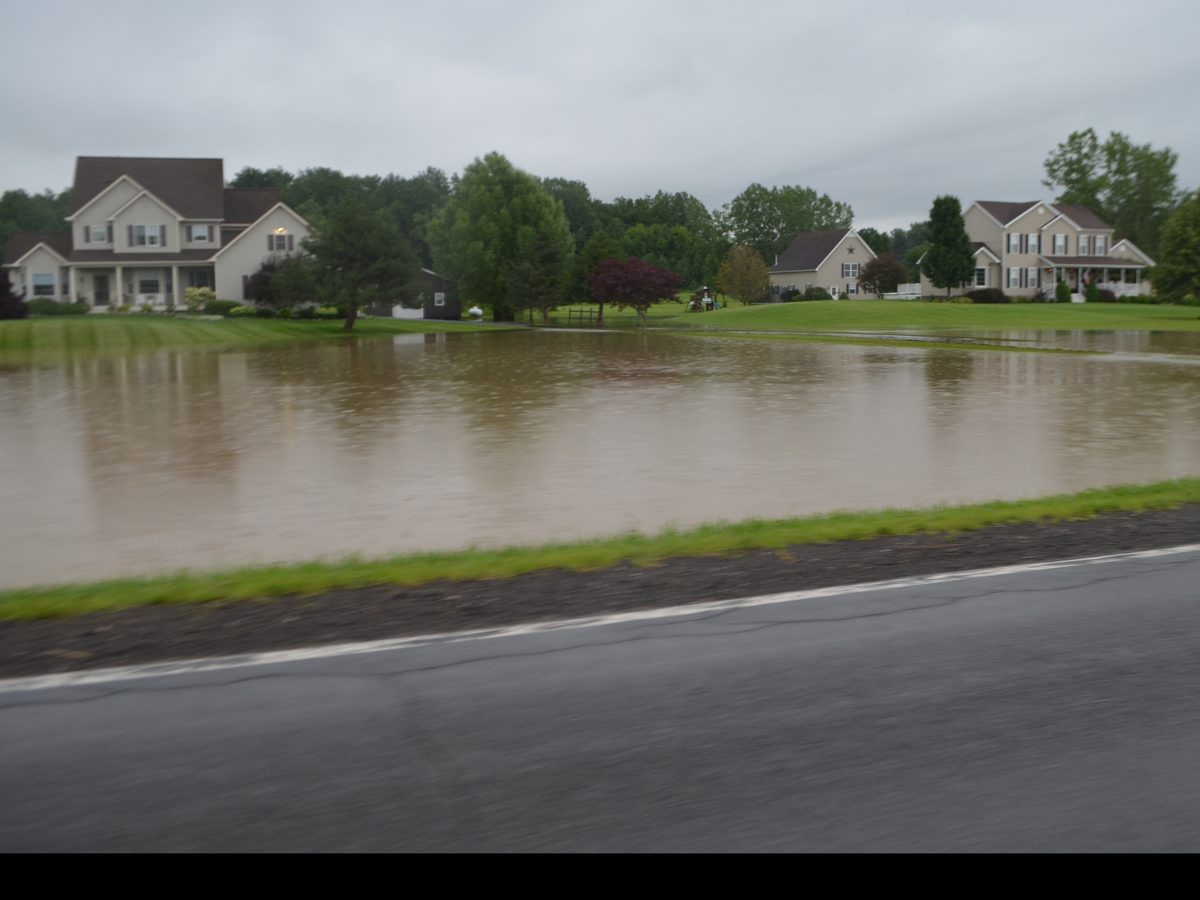
Yard Drainage & Regrading for Elgin homes
Elgin yards tend to be wide, open and gently sloped, so the problem is rarely a steep hillside. It is usually a slow, flat sheet of water that has nowhere to go. After a hard rain, you may see a shallow pond on a back lawn that lasts for days because the Blackland clay underneath has swollen shut. Regrading is the most direct answer, and on a lot with room to work, it is often the cheapest long-term fix. Water in a flat Elgin yard often has a clear signature. Grass dies in a ring, moss and crawfish chimneys appear, or the lawn mower sinks in one corner a full day after the sun returns. These marks show where the lowest ground sits, and they tell a crew where fill needs to go and where a shallow swale should run.
The first thing to check is the ground around the house. A common building guideline calls for the soil to drop about 6 inches over the first 10 feet away from the foundation. Older Elgin homes, including the ones near the historic brick-built downtown core, often lost that slope decades ago as soil settled, flower beds were piled up, or sidewalks were added. Rebuilding that grade with compacted clay fill and a smooth swale can send water around the house instead of against it. Regrading around a pier-and-beam house calls for care. Fill piled against the skirting or vents blocks airflow under the floor and invites moisture and termites. A good plan keeps soil several inches below the siding and vents, then slopes away from there. Slab homes have a similar limit, since soil should stay below the weep screed line on brick or stucco.
Larger lots mean you can use surface tools that tight suburban lots cannot, like long shallow swales, berms and reshaped low corners. These need a place to finish. Where the water exits your property matters under Texas Water Code section 11.086, which bars diverting surface water in a way that damages a neighbor. If you are inside Elgin city limits, ask the city about grading or drainage rules. In unincorporated Bastrop County, ask the county. Many projects also need Texas811 clearance before the dirt moves. A long yard has one advantage. You can build gentle, mowable swales that look like part of the landscape. A swale three to four feet wide and a few inches deep can carry a lot of water to a safe exit, and you can mow across it. Most homeowners are surprised by how natural the finished yard looks.
What to know in Elgin
Fill dirt choice matters
Loose topsoil piled against a slab will wash out or hold water. In Elgin clay, regrading works best with compacted clay-based fill that sheds water, topped with a few inches of topsoil for grass. Cheap sandy fill can create a bathtub effect that traps water against the house. Mark the path with flags and a garden hose after one real rain.
Watch the old drainage paths
Before reshaping an Elgin lot, walk it during a rain and mark where water naturally travels. Old farm swales and low corners often show the original drainage path. Working with that path usually costs less than fighting it, and it keeps you out of trouble with neighbors. Gutters and downspout extensions still matter, since regrading cannot handle a roof's worth of water alone.
Grass takes time to recover
Regrading strips sod. In Central Texas, new grass needs steady watering and some mild weather to root. Planning the work for a milder part of the year helps, and plain erosion blanket on a fresh swale keeps the first heavy storm from carving it out. Keep a few photos of the lot before work for your own records.
Signs you may need yard drainage & regrading
- A neighbor's yard sitting higher and sending water to your lot
- Water pooling within a few feet of your foundation after rain
- Soil that slopes toward the house instead of away from it
- Mulch or soil piled above the bottom of your siding or brick
How yard drainage & regrading works
Every yard has a drainage plan, whether anyone designed it or not. When a home is built, the lot is shaped so that rain runs away from the foundation, across the lawn, and toward the street, a swale, or a storm inlet. Over the years that shape erodes. Soil settles near the slab, mulch beds pile up against siding, a new patio blocks an old path, and a fence or a neighbor's raised yard changes where water wants to go. Yard drainage and regrading work puts the shape back, or builds a better one, so water has a clear and gentle route off the property instead of lingering where you do not want it. Think of it as repairing the lot's original job rather than adding something new.
Slope is the heart of the matter, and the numbers are small. Building guidance commonly calls for the ground to fall about six inches over the first ten feet away from a foundation, which is roughly a five percent slope. Past that, a lawn can drain well with a much gentler one or two percent grade. Many older yards in Pflugerville and Round Rock have the opposite: a flat or backward grade right beside the house, where mulch, landscape edging, and settled backfill have built a shallow bowl. Even an inch or two of reversed slope along a wall is enough to send runoff back toward the foundation, and you can often spot it by watching where water darkens the soil after a storm. A simple string line and a tape measure will show you the pattern.
What to expect on a Elgin visit
- 01
Observe how water moves
The most useful information comes from the water itself. We look at the lot after rain, mark where water enters, pools, and leaves, and note downspout locations, neighboring grades, and fence gaps. Your photos and notes from past storms help us see what a dry-day visit cannot. We also check for signs of leaks that grading cannot solve.
- 02
Measure the grade
We shoot elevations with a laser or transit level across the yard and along the foundation. That tells us how much fall exists now and how much soil must move. We compare readings to the common guidance of about six inches of drop in the first ten feet from the house, then plan around what the lot allows.
- 03
Locate utilities and review rules
Texas law requires a call to 811 at least two business days before digging. We mark the work area and also look for private irrigation lines and easements. Any plan that touches an easement, a shared lot line, or an HOA-controlled feature is checked with the city or HOA before we start moving soil.
- 04
Reshape the ground
We pull mulch and topsoil back from the foundation, add compacted clean fill where low areas need building up, and cut swales where water needs a path. Soil is placed in lifts and compacted so it does not settle into a new bowl after the first heavy rain. The finish grade is checked again with the level.
- 05
Add structure where grading alone is not enough
Some lots need help from a catch basin, channel drain, French drain, or downspout extension to complete the water path. We tie these pieces into the new grade so water reaches a legal, safe outlet. Adding hardware only where the slope cannot do the job keeps costs reasonable and the yard looking natural.
- 06
Restore and stabilize the surface
Bare clay erodes quickly in a Texas downpour, so the new grade needs cover. We replace sod or seed with erosion control, and rake mulch back at a safe distance from the slab. We then walk the site with you and explain what to watch after the first two or three real rainstorms.
Our approach in Elgin
- We walk the property in Elgin and trace where water comes from, where it collects and where it can legally go
- We explain what we find in plain language, with photos where they help
- Repairs and installs are planned around Bastrop County permitting requirements
- You get written options before any repair work begins
- We call 811 to mark buried utilities before any digging
Soil and drainage conditions around Elgin
Expect three problems again and again in Elgin. First, soggy yards where the clay refuses to absorb water, which is where French drains, surface swales and dry wells do the most good. Second, downspouts that dump right at the foundation, which feed the same clay that swells and shrinks under the slab. Third, concrete that sinks or heaves, because clay moves with moisture and fill under new slabs compacts unevenly. Foam leveling lifts patios, walks and driveways without tearing them out, and crack and joint sealing keeps surface water from washing under the edges. We do not repair structural foundations. If doors stick, bricks crack or you see stair-step cracks in the walls, have a structural engineer or foundation repair company evaluate the house. Fixing the drainage around it is often part of keeping the repair stable. Dry summers make it worse, because shrunken clay opens cracks that gulp the first rain, then swells shut and sends the rest across the surface. Annual rainfall is roughly in the mid-30 inches.
Yard Drainage & Regrading questions from Elgin homeowners
How much slope should my Elgin yard have near the house?
A widely used guideline is about 6 inches of drop in the first 10 feet away from the foundation. After that, a gentle slope of 1 to 2 percent keeps water moving across the yard. Your city or county may have its own standards, so check before you start a large regrading job. Ask the crew to sketch arrows on the lot showing where water will travel after the work.
Do I need a permit to regrade my Elgin property?
It depends on where you live and how much dirt moves. Inside Elgin city limits, ask the city about grading or drainage permits. Outside the city, ask Bastrop County. If you belong to an HOA, check its rules too. We cannot state exact requirements, so confirm with the offices before work begins. If your neighbor's yard drains toward yours too, a shared swale along the property line can solve both lots.
Why does my yard stay wet for days after rain?
Blackland clay absorbs water slowly once it is wet, and a flat lot gives the water little reason to leave. Compacted soil, a blocked swale or a raised flower bed can also trap it. A site visit shows whether regrading, a French drain, or both fit your yard. Bermuda sod usually roots faster than seed on a fresh swale, and bare clay erodes quickly in the first storms.
How soon after rain should I check my yard?
Walk the yard during or just after a heavy storm and take photos. Look for where water collects, where it runs, and how long it stays. Then check again after 24 and 48 hours. Water that is gone within a day is behaving normally for clay. Water that lingers for several days is worth having a pro evaluate. Photos with timestamps help a lot.
Does my HOA need to approve yard drainage work?
Many HOAs review changes to grading, fences, and visible hardscape, and some neighborhoods have recorded drainage easements. The rules vary from one community to another, and they differ too much to state for your street. Check with your city or HOA before work begins, and keep any approval in writing so there are no surprises later. A short email to the HOA is usually enough to start.
How much slope does my yard need to drain properly?
A common guideline is about six inches of drop over the first ten feet from the foundation, which is roughly a five percent slope. Beyond that zone, one to two percent is usually enough for lawn drainage. Local codes and builder specifications can differ, so confirm what applies to your lot with your city or building plans. A level survey on your lot gives exact numbers.
More about yard drainage & regrading → · All services in Elgin →
Need yard drainage & regrading in Elgin?
Call or send a request. We will look at where the water goes, check the grade and give you a written estimate.