Pflugerville · Travis County
Yard Drainage & Regrading in Pflugerville, TX
Many Pflugerville lots have swales that settled, got buried under sod, or never had enough fall to begin with. Regrading restores slope away from the house and carries water toward the street or a legal outlet. On clay, even an inch or two of fall over several feet makes a visible difference. We also check where water from uphill lots enters your yard before we reshape anything. Sod and mulch should be pulled back first so the true grade is visible before any soil is moved.
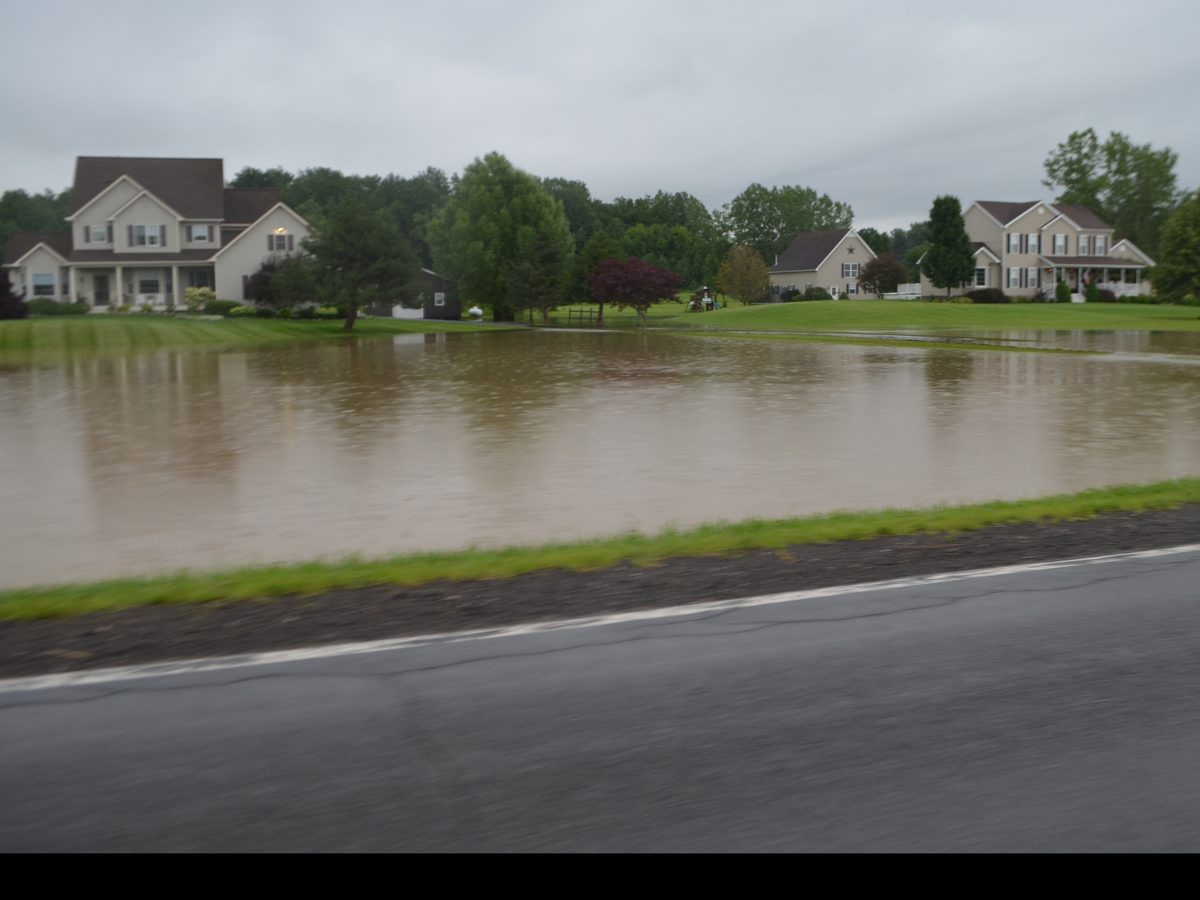
Yard Drainage & Regrading for Pflugerville homes
Yard regrading reshapes the surface so water leaves your lot instead of settling on it. In Pflugerville the job usually starts with the original lot design. Many subdivisions were graded with shallow swales along the side yards that carry runoff toward the street or a rear drainage easement. Over the years fences, flower beds, new sod and added patios fill those swales. Clay holds whatever it receives, so a two-inch dip along a side yard can keep water standing for days. The goal is a continuous path from the highest ground on your lot to a legal exit, with the soil next to the house sitting higher than soil ten feet away. Old irrigation trenches and utility cuts add to the problem, since backfilled clay settles unevenly and creates small dips that no one notices until a storm.
A commonly cited target is for the ground to fall away from the foundation about six inches over the first ten feet, though plats and city rules differ, so confirm yours. The real trouble in Pflugerville is bare clay. Hauling sandy loam or topsoil over clay creates a bathtub, because water soaks through the loose layer and stops at the clay below. Better results come from reshaping the native clay itself, compacting it in thin lifts, and then adding a light layer of soil for sod. Keep soil and mulch a few inches below the brick ledge or siding line to avoid moisture damage and pests. Compaction matters as much as shape. Clay left loose after grading will settle in the first wet season and recreate the dips you paid to remove, so ask how the soil will be compacted.
Lots near Gilleland Creek or its tributaries add another layer. Work in a mapped floodplain or a recorded drainage easement may need city review, and added fill can change how floodwater moves. Heavy downpours often follow long dry stretches here, and dry clay sheds the first inch of rain almost like pavement until its cracks swell shut. Walk your lot during a storm and note where water collects, which way it travels and where it leaves. A short phone video helps any contractor see the problem. Under Texas Water Code section 11.086 you cannot send water onto a neighbor in a damaging way. For disputes, talk to a lawyer. If water enters your lot from uphill, a shallow swale along the property line can intercept it. Keep any swale wide and gentle so the mower can cross it and the sod holds.
What to know in Pflugerville
Do not block the side-yard swale
Pflugerville builders often shaped a shallow swale between houses to move water to the street. A new fence base, a raised bed or a gravel path can dam it. Before adding anything along the property line, trace the water path and keep it open end to end.
Match the fix to the clay
Clay compacts into a surface that sheds water but does not absorb it. Regrading works best when the soil is reshaped and compacted, not simply covered. Adding topsoil by itself raises the lawn without fixing the flow, and it can trap water against a slab if it buries the weep holes.
Check floodplain and easement limits
Parts of Pflugerville lie near creek corridors where fill and grade changes may need review. The recorded plat for your lot shows any easements. Ask the city and your HOA before moving soil, and keep any drainage path in the easement clear.
Signs you may need yard drainage & regrading
- Water pooling within a few feet of your foundation after rain
- Soil that slopes toward the house instead of away from it
- Mulch or soil piled above the bottom of your siding or brick
- Bare patches or erosion lines where water runs across the lawn
How yard drainage & regrading works
Every yard has a drainage plan, whether anyone designed it or not. When a home is built, the lot is shaped so that rain runs away from the foundation, across the lawn, and toward the street, a swale, or a storm inlet. Over the years that shape erodes. Soil settles near the slab, mulch beds pile up against siding, a new patio blocks an old path, and a fence or a neighbor's raised yard changes where water wants to go. Yard drainage and regrading work puts the shape back, or builds a better one, so water has a clear and gentle route off the property instead of lingering where you do not want it. Think of it as repairing the lot's original job rather than adding something new.
Slope is the heart of the matter, and the numbers are small. Building guidance commonly calls for the ground to fall about six inches over the first ten feet away from a foundation, which is roughly a five percent slope. Past that, a lawn can drain well with a much gentler one or two percent grade. Many older yards in Pflugerville and Round Rock have the opposite: a flat or backward grade right beside the house, where mulch, landscape edging, and settled backfill have built a shallow bowl. Even an inch or two of reversed slope along a wall is enough to send runoff back toward the foundation, and you can often spot it by watching where water darkens the soil after a storm. A simple string line and a tape measure will show you the pattern.
What to expect on a Pflugerville visit
- 01
Observe how water moves
The most useful information comes from the water itself. We look at the lot after rain, mark where water enters, pools, and leaves, and note downspout locations, neighboring grades, and fence gaps. Your photos and notes from past storms help us see what a dry-day visit cannot. We also check for signs of leaks that grading cannot solve.
- 02
Measure the grade
We shoot elevations with a laser or transit level across the yard and along the foundation. That tells us how much fall exists now and how much soil must move. We compare readings to the common guidance of about six inches of drop in the first ten feet from the house, then plan around what the lot allows.
- 03
Locate utilities and review rules
Texas law requires a call to 811 at least two business days before digging. We mark the work area and also look for private irrigation lines and easements. Any plan that touches an easement, a shared lot line, or an HOA-controlled feature is checked with the city or HOA before we start moving soil.
- 04
Reshape the ground
We pull mulch and topsoil back from the foundation, add compacted clean fill where low areas need building up, and cut swales where water needs a path. Soil is placed in lifts and compacted so it does not settle into a new bowl after the first heavy rain. The finish grade is checked again with the level.
- 05
Add structure where grading alone is not enough
Some lots need help from a catch basin, channel drain, French drain, or downspout extension to complete the water path. We tie these pieces into the new grade so water reaches a legal, safe outlet. Adding hardware only where the slope cannot do the job keeps costs reasonable and the yard looking natural.
- 06
Restore and stabilize the surface
Bare clay erodes quickly in a Texas downpour, so the new grade needs cover. We replace sod or seed with erosion control, and rake mulch back at a safe distance from the slab. We then walk the site with you and explain what to watch after the first two or three real rainstorms.
Our approach in Pflugerville
- We walk the property in Pflugerville and trace where water comes from, where it collects and where it can legally go
- We explain what we find in plain language, with photos where they help
- Repairs and installs are planned around Travis County permitting requirements
- You get written options before any repair work begins
- We call 811 to mark buried utilities before any digging
Soil and drainage conditions around Pflugerville
Water moves through Pflugerville along a handful of named creeks. Gilleland Creek begins northwest of town and runs about 27 miles to the Colorado River, and it was named for James Gilleland, an early settler. Wilbarger Creek rises north of town and drains east toward Bastrop County. Lake Pflugerville, the city's man-made lake, sits in the larger drainage network, and the city has built trails along the creek corridors. The terrain is gently rolling rather than steep, which sounds harmless until you remember that a few inches of fall across a whole subdivision sends sheet flow across many back yards before it reaches a ditch. Homes on the low side of a street, or backing onto a greenbelt or drainage easement, often receive the water that came off five or six lots uphill. Knowing which way your lot drains, and who is upstream, is the first real step in any fix. A fence line or raised bed can be enough to dam that sheet flow against a back wall.
Yard Drainage & Regrading questions from Pflugerville homeowners
How do I know if my Pflugerville yard needs regrading?
Look for water that stays more than a day or two after rain, soil that slopes toward the house, bare patches that stay muddy, and gutters that overflow even when clean. Stand at the slab and sight along the ground. If it dips toward the wall, regrading is likely part of the fix. A damp patch of lawn that stays green while the rest browns is another clue that water lingers there.
Can I just add topsoil to level the low spots?
Usually that backfires on clay. Loose topsoil soaks up water and then sits on top of the dense clay like a sponge on a plate. It can also bury the foundation's weep holes or siding line. Fixing the slope underneath, then adding a thin soil layer for sod, gives a better result. If you only need to fill a shallow dip, a thin layer of topsoil can be fine.
Is it legal to regrade so water runs onto my neighbor?
Not if it damages their property. Texas Water Code section 11.086 prohibits diverting or impounding the natural flow of surface water in a way that damages another's property through overflow. Courts treat each case on its facts, so if you are in a dispute, speak with a Texas attorney rather than relying on this summary. Keep photos and dates of any changes, as they matter if a conflict ever reaches an attorney or the city.
How much slope does my yard need to drain properly?
A common guideline is about six inches of drop over the first ten feet from the foundation, which is roughly a five percent slope. Beyond that zone, one to two percent is usually enough for lawn drainage. Local codes and builder specifications can differ, so confirm what applies to your lot with your city or building plans. A level survey on your lot gives exact numbers.
Will regrading fix a wet yard by itself?
Sometimes. If rain runs off your lot but settles in low spots, building up the low areas and shaping a clear path often solves it. If the lot is flat, the soil is saturated, or there is no legal outlet, grading alone may fall short. Pairing it with a French drain or catch basin often gives a complete fix. A site visit shows which combination fits.
Can I change the grade if it sends water to my neighbor?
Be careful. Texas Water Code Section 11.086 says you may not divert or impound the natural flow of surface water in a way that damages another person's property. A grading change should keep water moving in its natural direction. If you have a dispute with a neighbor, a lawyer can advise you. This is general information and not legal advice. Document the problem with dated photos.
More about yard drainage & regrading → · All services in Pflugerville →
Need yard drainage & regrading in Pflugerville?
Call or send a request. We will look at where the water goes, check the grade and give you a written estimate.