Hutto · Williamson County
Yard Drainage & Regrading in Hutto, TX
Newer Hutto lots often have swales cut at minimum fall that flattened as fill settled. Regrading restores that slope and clears blockage from fences, beds and sod buildup. On flat ground, small changes in grade of an inch or two matter. We trace where water enters and leaves the lot before reshaping so the fix does not push the problem next door. We flush the system afterward.
Yard Drainage & Regrading for Hutto homes
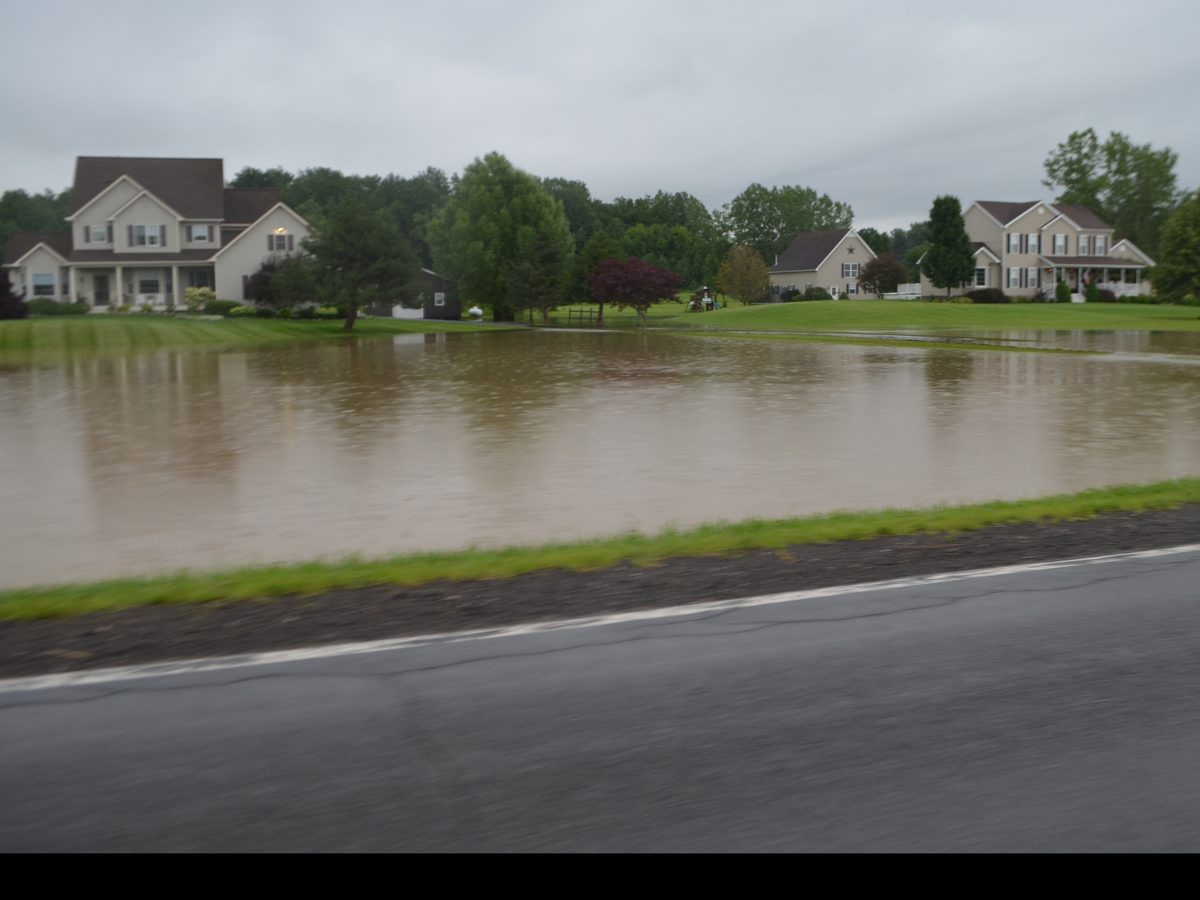
Many Hutto yards drain poorly for a simple reason. They were graded for the minimum slope that passed inspection, then changed by homeowners. A builder shapes the lot so water runs from the back along a shallow swale to the street or a rear drainage channel. Then a fence goes up, a patio is added, sod is laid thick against the slab and flower beds raise the soil beside the wall. Each change removes a bit of slope. On Blackland clay, which sheds the first part of a rain and then saturates, those small changes show up as standing water in the next storm. Fresh sod over uneven ground hides dips until the first heavy rain, which is why puddles often show up weeks after a new lawn goes in.
Regrading starts with a map of the existing flow. Walk the lot during a downpour and note the highest and lowest points, where water enters from neighbors and where it exits. A laser level gives a more accurate picture than the eye can. A good plan restores a continuous path, adds fall away from the foundation and corrects spots where the fill has settled. Compact the native soil in thin layers and then add a light layer for sod. Avoid burying the slab's weep holes or siding with new soil. Sod and mulch should sit a few inches below the brick line. Pay attention to where the sod meets the sidewalk or slab. A small step there can trap water along the edge, and trimming a few inches of soil usually fixes it.
Cottonwood Creek runs through Hutto, Brushy Creek is nearby and the San Gabriel River marks the city's northern edge, and the many new neighborhoods in between share drainage systems. Changes that push water onto a neighbor can break Texas Water Code section 11.086, which prohibits diverting surface water in a way that damages another's property. Many Hutto neighborhoods are managed by HOAs, and some are in public improvement districts such as the Cottonwood Creek community, so check requirements before changing grade. For disputes, consult a Texas attorney. Photograph the lot from several angles in a storm and again afterward, so you can show exactly where water entered and left if a neighbor asks.
What to know in Hutto
Restore the original swale
Most Hutto lots were designed with a swale along the side or rear lot line. If yours has been blocked by a fence, filled by landscaping or buried under new sod, restoring it can solve the whole problem at low cost. A laser level shows what the original grade should be. Neighbors often share the same swale, so ask before changing it.
Watch the weep holes and siding
New sod, mulch and topsoil pile up against the slab over the years and can cover the brick weep holes or touch the siding. That traps moisture and invites termites and rot. Keep soil a few inches below those lines and slope it away from the wall. Weep holes are small gaps in brick that let moisture escape.
Compact before you plant
Clay reshaped and left loose will settle in the first wet season, recreating the dips. Compacting in thin layers makes the new grade stick. Ask your contractor how they will compact the soil, and plan to check for settling after the first heavy rain. A plate compactor or hand tamp is far better than leaving soil loose.
Signs you may need yard drainage & regrading
- Mulch or soil piled above the bottom of your siding or brick
- Bare patches or erosion lines where water runs across the lawn
- A yard that stays muddy or squishy for days after a storm
- Water entering the garage or crossing a driveway toward the slab
How yard drainage & regrading works
The clay under most of this region makes grading more important than it would be elsewhere. Blackland Prairie soils east of I-35, including Houston Black clay, swell when wet and shrink when dry, so the ground itself moves from season to season. Water that pools next to a slab keeps the soil beside it wet, while the soil under the middle of the house stays drier, and that uneven moisture is hard on a foundation. Keeping water moving away from the house is the most affordable way to even out those swings. It does not replace a structural repair, but it removes one of the main reasons that movement keeps happening again and again. That is why grading is often the first fix we look at.
Regrading is rarely a bulldozer job. On most residential lots it is careful work with a small skid steer or a hand crew, adding or removing a few inches of soil, building up low spots, and cutting a shallow swale where runoff needs a lane. A swale is a wide, gently dished channel, often grassed, that carries water along a property line or between houses. Some swales run on a shared lot line, so changes there can affect neighbors. Under Texas Water Code Section 11.086, you generally cannot divert or impound surface water in a way that damages another person's property, so the design should keep the water in its natural direction and send it to a lawful exit. Always confirm where the water will go before the first shovel of soil moves.
What to expect on a Hutto visit
- 01
Observe how water moves
The most useful information comes from the water itself. We look at the lot after rain, mark where water enters, pools, and leaves, and note downspout locations, neighboring grades, and fence gaps. Your photos and notes from past storms help us see what a dry-day visit cannot. We also check for signs of leaks that grading cannot solve.
- 02
Measure the grade
We shoot elevations with a laser or transit level across the yard and along the foundation. That tells us how much fall exists now and how much soil must move. We compare readings to the common guidance of about six inches of drop in the first ten feet from the house, then plan around what the lot allows.
- 03
Locate utilities and review rules
Texas law requires a call to 811 at least two business days before digging. We mark the work area and also look for private irrigation lines and easements. Any plan that touches an easement, a shared lot line, or an HOA-controlled feature is checked with the city or HOA before we start moving soil.
- 04
Reshape the ground
We pull mulch and topsoil back from the foundation, add compacted clean fill where low areas need building up, and cut swales where water needs a path. Soil is placed in lifts and compacted so it does not settle into a new bowl after the first heavy rain. The finish grade is checked again with the level.
- 05
Add structure where grading alone is not enough
Some lots need help from a catch basin, channel drain, French drain, or downspout extension to complete the water path. We tie these pieces into the new grade so water reaches a legal, safe outlet. Adding hardware only where the slope cannot do the job keeps costs reasonable and the yard looking natural.
- 06
Restore and stabilize the surface
Bare clay erodes quickly in a Texas downpour, so the new grade needs cover. We replace sod or seed with erosion control, and rake mulch back at a safe distance from the slab. We then walk the site with you and explain what to watch after the first two or three real rainstorms.
Our approach in Hutto
- We walk the property in Hutto and trace where water comes from, where it collects and where it can legally go
- We explain what we find in plain language, with photos where they help
- Repairs and installs are planned around Williamson County permitting requirements
- You get written options before any repair work begins
- We call 811 to mark buried utilities before any digging
Soil and drainage conditions around Hutto
In newer Hutto neighborhoods, we often find swales that were cut at the minimum slope and then lost fall as the fill settled. Sod laid over a thick layer of disturbed clay can hold water like a bathtub, and a fence built across a swale blocks the flow entirely. Patios and walks poured on new fill may sink within a few years if roof water runs beside them. In older parts of town, the typical complaints are driveways cracked into separate panels, garage aprons that tilt toward the house and yards where decades of landscaping buried the original grade. Drainage help can include regrading, French drains, underground downspout drains, catch basins and foam concrete leveling. We do not do structural foundation repair, so if you see cracked brick or doors that stick, bring in a structural engineer. Take dated photos after storms, because they help us see exactly where water gathers and how long it stays.
Yard Drainage & Regrading questions from Hutto homeowners
Is my Hutto lot supposed to have a swale?
Many are. Builders often shape a shallow swale along side or rear lot lines to move water to the street or a drainage easement. Your plat and the builder's grading plan show it. If your swale is blocked, restoring it is often the simplest fix. Check your HOA and the city for any restrictions first. The grading plan may be available from the city or your HOA.
How much slope does a yard need away from the house?
A commonly cited target is about six inches of fall in the first ten feet from the foundation, though local codes and plat requirements vary, so check yours. On a flat Hutto lot, you may not be able to reach that everywhere, which is why swales, drains and downspout lines work together. Use a level and a string to measure real fall.
Will regrading my yard affect my neighbors?
It can, so plan carefully. Texas Water Code section 11.086 prohibits diverting surface water in a way that damages a neighbor's property. A good plan keeps the general direction of flow and the exit points the same as the original design. Talk with neighbors before work, and see an attorney if a dispute develops. Written agreements with neighbors help avoid disputes.
Can I change the grade if it sends water to my neighbor?
Be careful. Texas Water Code Section 11.086 says you may not divert or impound the natural flow of surface water in a way that damages another person's property. A grading change should keep water moving in its natural direction. If you have a dispute with a neighbor, a lawyer can advise you. This is general information and not legal advice. Document the problem with dated photos.
Do I need to call 811 for a regrade?
Yes, when the work involves digging, and that includes shaping soil with equipment. Texas law requires notice to Texas811 at least two business days before digging, weekends and holidays excluded. Utilities mark their public lines for free. Tell the crew about private lines like irrigation, because those are usually not marked. Call early to protect your schedule. Ask the crew how they plan to avoid those lines.
Why does water pool by my foundation even though I have gutters?
Gutters collect roof water, but the downspouts still release it onto the ground. If they end next to the slab, or the soil beside the house has settled, the water pools there anyway. Extending downspouts several feet away or burying them, and rebuilding the slope near the wall, usually stops it. Check for clogged gutters and cracked splash blocks too. Checking all of those takes about an hour.
More about yard drainage & regrading → · All services in Hutto →
Need yard drainage & regrading in Hutto?
Call or send a request. We will look at where the water goes, check the grade and give you a written estimate.