Round Rock · Williamson County
Yard Drainage & Regrading in Round Rock, TX
Regrading in Round Rock begins with the lay of the lot. East of I-35 the problem is flat clay that needs gentle slope away from the house. On the western side, steeper lots may need swales to slow runoff before it erodes beds and washes soil into the street. We check where upslope neighbors send water before reshaping. Fixing grade first often shrinks the size of any drain you end up needing.
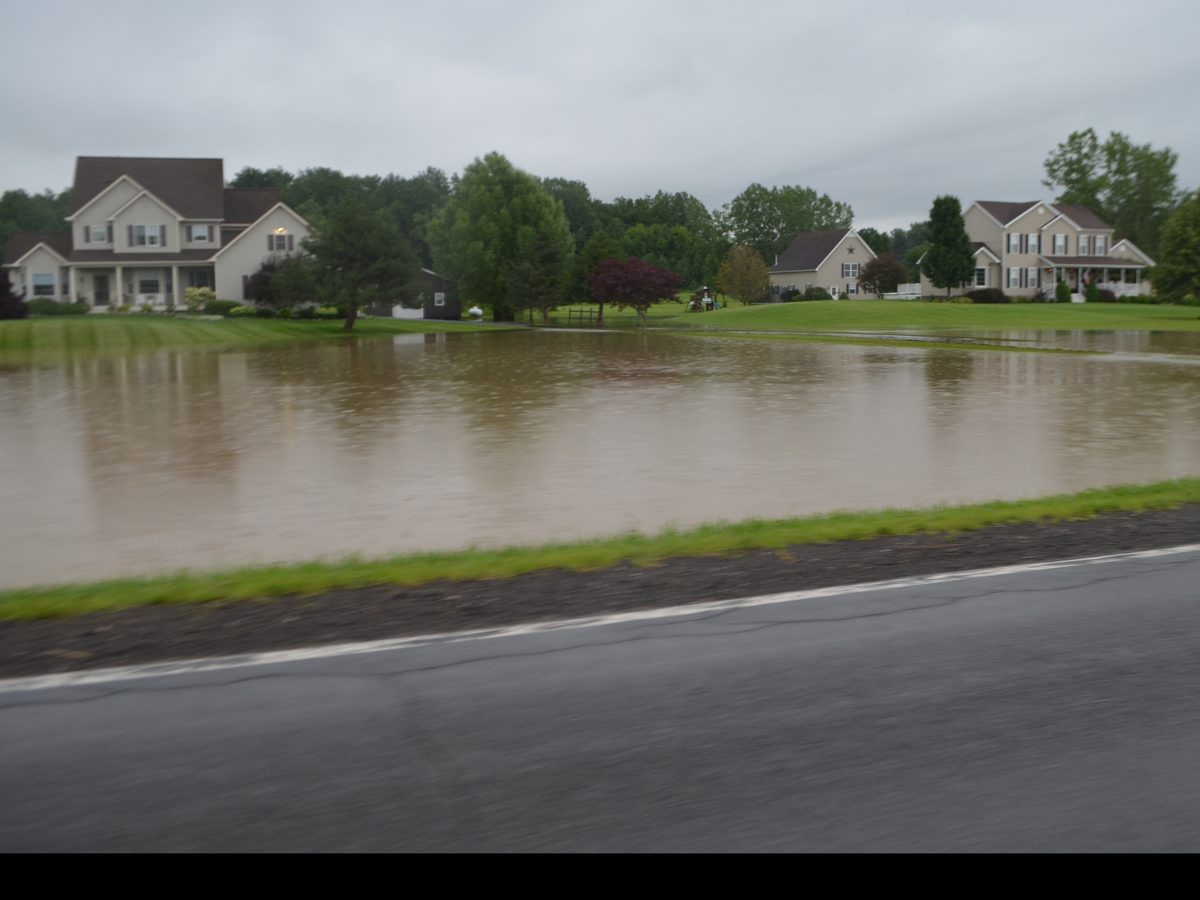
Yard Drainage & Regrading for Round Rock homes
Round Rock yards were built in very different eras. Established streets near the old downtown, close to the Brushy Creek crossing, have mature trees, older lot grading and sometimes decades of added patios and sheds. Newer subdivisions on the east and north sides have tighter lots shaped around a master drainage plan. The first job in any regrade is to find out which design your lot follows. In many neighborhoods, side-yard swales were meant to carry rain from backyards to the street, and they quietly fill in with sod, edging or a fence base until water has nowhere to go but the back door. Check the corners where fences meet, since leaves and soil collect there and quietly seal off the water's exit.
Slope is the main variable. West of I-35, lots can be hilly, which means water arrives quickly and can erode bare soil, so regrading often adds a shallow swale, a terrace or a rock-lined channel to slow it. East of I-35, lots are flat and Blackland clay keeps water on the surface, so even small dips turn into puddles. Dumping topsoil over clay seldom helps because the loose layer soaks and then sits on the dense soil below. Reshaping and compacting the native ground, then adding a thin layer for sod, gives water a firm surface to run across. Keep soil and mulch below the brick ledge or siding. On a steep lot, ask the contractor how they will keep soil from washing away during the first storms, since new grading is at its most vulnerable before the grass takes root.
Round Rock sits in the Brushy Creek and San Gabriel River drainages, and parts of the city have mapped floodplains. Changes to grading or fill near those areas can raise review questions, so check with the city before moving large amounts of soil. HOAs often have separate rules about visible swales, retaining walls and fences. Under Texas Water Code section 11.086, you cannot divert surface water in a way that damages a neighbor's property, so regrading should end with water leaving your lot the same general way it did before. Disputes belong with a lawyer, not a contractor. A neighbor who sees water leaving your lot will be happier if you talk to them before work begins, and a short conversation can reveal where their own water goes.
What to know in Round Rock
Hillside lots need slowing, not just moving
On the sloped west side, fast runoff cuts channels in bare soil and carries sediment to the street. A good plan breaks up the flow with gentle swales, terraces or rock check dams so the water spreads out, soaks in a bit and leaves at a walking pace. Rock check dams can be built from stone found on site.
Flat clay lots need a clear exit
On flat east-side lots, a small dip can hold water for days. The key is a continuous fall, even a gentle one, from the house to a legal exit. Without that path, regrading just moves the puddle from one corner of the yard to another. A string line and a level show real slope better than the eye does.
Ask about floodplain and HOA limits
Lots near creeks, ponds or platted drainage easements may restrict fill and structures. Your HOA may also require approval for visible changes. A short call to the city and a review of your HOA guidelines before work starts can prevent costly redoing. Retaining walls may need engineering and permits, so ask early.
Signs you may need yard drainage & regrading
- Soil that slopes toward the house instead of away from it
- Mulch or soil piled above the bottom of your siding or brick
- Bare patches or erosion lines where water runs across the lawn
- A yard that stays muddy or squishy for days after a storm
How yard drainage & regrading works
Slope is the heart of the matter, and the numbers are small. Building guidance commonly calls for the ground to fall about six inches over the first ten feet away from a foundation, which is roughly a five percent slope. Past that, a lawn can drain well with a much gentler one or two percent grade. Many older yards in Pflugerville and Round Rock have the opposite: a flat or backward grade right beside the house, where mulch, landscape edging, and settled backfill have built a shallow bowl. Even an inch or two of reversed slope along a wall is enough to send runoff back toward the foundation, and you can often spot it by watching where water darkens the soil after a storm. A simple string line and a tape measure will show you the pattern.
The clay under most of this region makes grading more important than it would be elsewhere. Blackland Prairie soils east of I-35, including Houston Black clay, swell when wet and shrink when dry, so the ground itself moves from season to season. Water that pools next to a slab keeps the soil beside it wet, while the soil under the middle of the house stays drier, and that uneven moisture is hard on a foundation. Keeping water moving away from the house is the most affordable way to even out those swings. It does not replace a structural repair, but it removes one of the main reasons that movement keeps happening again and again. That is why grading is often the first fix we look at.
What to expect on a Round Rock visit
- 01
Observe how water moves
The most useful information comes from the water itself. We look at the lot after rain, mark where water enters, pools, and leaves, and note downspout locations, neighboring grades, and fence gaps. Your photos and notes from past storms help us see what a dry-day visit cannot. We also check for signs of leaks that grading cannot solve.
- 02
Measure the grade
We shoot elevations with a laser or transit level across the yard and along the foundation. That tells us how much fall exists now and how much soil must move. We compare readings to the common guidance of about six inches of drop in the first ten feet from the house, then plan around what the lot allows.
- 03
Locate utilities and review rules
Texas law requires a call to 811 at least two business days before digging. We mark the work area and also look for private irrigation lines and easements. Any plan that touches an easement, a shared lot line, or an HOA-controlled feature is checked with the city or HOA before we start moving soil.
- 04
Reshape the ground
We pull mulch and topsoil back from the foundation, add compacted clean fill where low areas need building up, and cut swales where water needs a path. Soil is placed in lifts and compacted so it does not settle into a new bowl after the first heavy rain. The finish grade is checked again with the level.
- 05
Add structure where grading alone is not enough
Some lots need help from a catch basin, channel drain, French drain, or downspout extension to complete the water path. We tie these pieces into the new grade so water reaches a legal, safe outlet. Adding hardware only where the slope cannot do the job keeps costs reasonable and the yard looking natural.
- 06
Restore and stabilize the surface
Bare clay erodes quickly in a Texas downpour, so the new grade needs cover. We replace sod or seed with erosion control, and rake mulch back at a safe distance from the slab. We then walk the site with you and explain what to watch after the first two or three real rainstorms.
Our approach in Round Rock
- We walk the property in Round Rock and trace where water comes from, where it collects and where it can legally go
- We explain what we find in plain language, with photos where they help
- Repairs and installs are planned around Williamson County permitting requirements
- You get written options before any repair work begins
- We call 811 to mark buried utilities before any digging
Soil and drainage conditions around Round Rock
Round Rock grew up as a farm and cotton town. Blackland soils were well suited to cotton, and the railroad and later the interstate tied the town to Austin and Dallas. Modern Round Rock is a very different place, a large suburb with older neighborhoods near the historic downtown, 1980s and 1990s subdivisions, and newer communities toward the edges. Older homes often have original concrete patios and driveways that have lived through decades of wet and dry cycles, and some have gutters that dump right at the slab. Newer homes on smaller lots leave less room for water, and fences and landscaping can trap it. If you bought a home here, ask when it was built and whether the lot was regraded. That single fact tells us a lot about what to expect.
Yard Drainage & Regrading questions from Round Rock homeowners
Why does my Round Rock backyard stay muddy after every rain?
On the east side, Blackland clay absorbs water slowly, so the surface stays wet. On the west side, thin soil over limestone can saturate quickly and then shed water. Low spots, filled-in swales, clogged gutters and sprinklers add to the problem. A walk of the yard during rain shows which cause is yours. Clogged gutters and sprinkler overspray often add to the problem.
Will regrading change how water flows to my neighbor?
It can if done carelessly. Under Texas Water Code section 11.086, you cannot divert or impound surface water in a way that damages a neighbor's property. A good regrade keeps the overall direction of flow and the exit points similar to the original design. If you have a dispute, consult a Texas attorney. Courts look at the facts of each case, so documented before-and-after photos help.
Do I need city approval to regrade my yard in Round Rock?
Minor shaping of your own lawn generally does not, but significant fill, retaining walls or changes inside a drainage easement or floodplain can. Rules differ by property. Check with the City of Round Rock and your HOA before work, and call 811 at least two business days before you dig. Many HOAs also review grading changes, so send them your plan.
Will regrading fix a wet yard by itself?
Sometimes. If rain runs off your lot but settles in low spots, building up the low areas and shaping a clear path often solves it. If the lot is flat, the soil is saturated, or there is no legal outlet, grading alone may fall short. Pairing it with a French drain or catch basin often gives a complete fix. A site visit shows which combination fits.
Can I change the grade if it sends water to my neighbor?
Be careful. Texas Water Code Section 11.086 says you may not divert or impound the natural flow of surface water in a way that damages another person's property. A grading change should keep water moving in its natural direction. If you have a dispute with a neighbor, a lawyer can advise you. This is general information and not legal advice. Document the problem with dated photos.
Do I need to call 811 for a regrade?
Yes, when the work involves digging, and that includes shaping soil with equipment. Texas law requires notice to Texas811 at least two business days before digging, weekends and holidays excluded. Utilities mark their public lines for free. Tell the crew about private lines like irrigation, because those are usually not marked. Call early to protect your schedule. Ask the crew how they plan to avoid those lines.
More about yard drainage & regrading → · All services in Round Rock →
Need yard drainage & regrading in Round Rock?
Call or send a request. We will look at where the water goes, check the grade and give you a written estimate.