Wells Branch · Travis and Williamson Counties
Yard Drainage & Regrading in Wells Branch, TX
After decades of mulch, soil and landscaping, many yards here have lost the slope away from the house. Regrading restores that fall and builds swales to the street or an approved outlet. On compact lots there is little room, so we often combine light regrading with a drain. Check HOA or MUD rules if the water path crosses common areas.
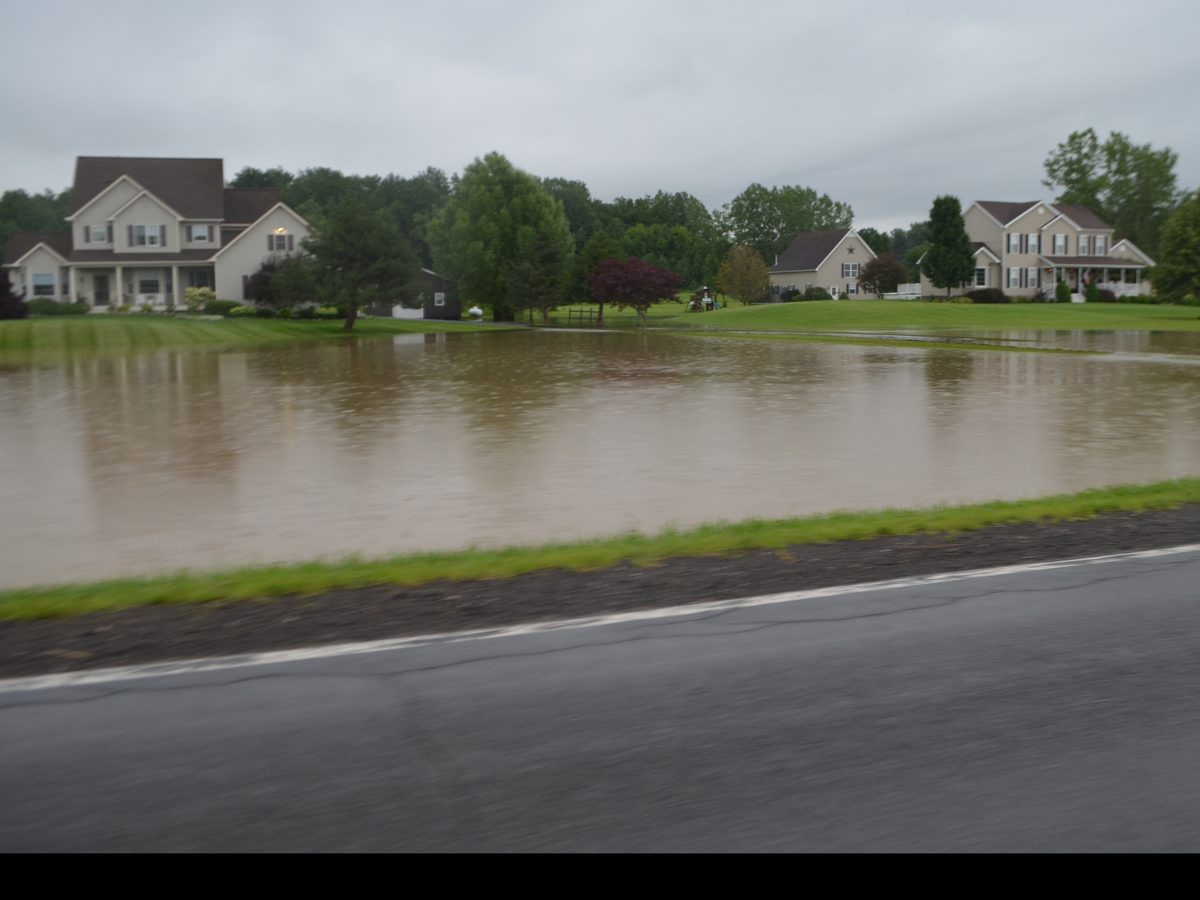
Yard Drainage & Regrading for Wells Branch homes
Wells Branch yards were graded by builders in the 1980s and 1990s, and after 30-plus years that grading has often drifted. Soil settles against slabs, patios get added without thought for runoff, and homeowners build raised beds or lay new sod over old high spots. The result is a yard where water now runs toward the house instead of away from it. Regrading restores a path for water on a lot that may only be 60 or 70 feet deep. A walk around the block shows how this part of town was graded. Streets tend to be crowned slightly, lots step down from front to back, and a swale in the rear collects runoff from several yards. When one owner fills that swale with a raised bed or a shed pad, the water backs up into neighboring lots. Restoring the original swale line is often the most effective fix.
On a compact lot, every inch counts. A common guideline is about 6 inches of drop over the first 10 feet from the foundation, but that slope can be tough to keep when the fence is only 8 feet away. Often the solution is a combination: a short, sharp slope near the house, a shallow swale along the fence line and a small catch basin or a drain to the street. Each piece works with the others, so planning on paper first saves rework. Soil volume is a hidden cost in small yards. Moving a foot of fill across a 60-foot lot may take a dump truck, a skid steer and a day of careful work. Access through a standard gate can limit equipment size, so some projects use hand tools or mini loaders. Ask the crew how they will get materials in and where the stockpile will sit.
Water rarely stays inside a single Wells Branch lot. It crosses side yards and backs onto greenbelts, trail corridors and drainage easements. Ask the MUD or your association which areas are maintained common ground and which are private before you change grade near them. The City of Austin has detailed rules for drainage easements, but your lot may fall under a different set of rules depending on which side of the boundary you are on. Call 811 before any digging, and keep water on your side of Texas Water Code section 11.086. Warning signs of poor grading include water stains on the bottom of fences, soggy turf that grows moss, mulch washed into the street and brick veneer with white mineral stains near the base. These show water has been standing or running against the wall for a long time. Spotting them early gives you time to choose regrading, a drain, or both.
What to know in Wells Branch
Greenbelt and trail edges
Lots that back to a trail or greenbelt may sit beside shared drainage. Regrading that sends more water toward that land can draw complaints from the managing entity. Ask who maintains the strip, and keep new grades from cutting into slopes or burying existing drainage structures.
Slab edge clearance
Brick or stucco walls need several inches of exposed slab or ledge so water cannot wick in. Over the years, mulch and soil build up against the wall. Pulling soil back and building a clean slope away protects the wall, and it is a project you can often start before bringing in a crew.
Small-lot sequencing
On a lot with a pool, deck or shed, the order of work matters. Regrade first, set drains next and place sod last. Doing it in a different order often means tearing up finished work. A simple sketch with levels and arrows keeps everyone on the same page.
Signs you may need yard drainage & regrading
- Water pooling within a few feet of your foundation after rain
- Soil that slopes toward the house instead of away from it
- Mulch or soil piled above the bottom of your siding or brick
- Bare patches or erosion lines where water runs across the lawn
How yard drainage & regrading works
Slope is the heart of the matter, and the numbers are small. Building guidance commonly calls for the ground to fall about six inches over the first ten feet away from a foundation, which is roughly a five percent slope. Past that, a lawn can drain well with a much gentler one or two percent grade. Many older yards in Pflugerville and Round Rock have the opposite: a flat or backward grade right beside the house, where mulch, landscape edging, and settled backfill have built a shallow bowl. Even an inch or two of reversed slope along a wall is enough to send runoff back toward the foundation, and you can often spot it by watching where water darkens the soil after a storm. A simple string line and a tape measure will show you the pattern.
The clay under most of this region makes grading more important than it would be elsewhere. Blackland Prairie soils east of I-35, including Houston Black clay, swell when wet and shrink when dry, so the ground itself moves from season to season. Water that pools next to a slab keeps the soil beside it wet, while the soil under the middle of the house stays drier, and that uneven moisture is hard on a foundation. Keeping water moving away from the house is the most affordable way to even out those swings. It does not replace a structural repair, but it removes one of the main reasons that movement keeps happening again and again. That is why grading is often the first fix we look at.
What to expect on a Wells Branch visit
- 01
Observe how water moves
The most useful information comes from the water itself. We look at the lot after rain, mark where water enters, pools, and leaves, and note downspout locations, neighboring grades, and fence gaps. Your photos and notes from past storms help us see what a dry-day visit cannot. We also check for signs of leaks that grading cannot solve.
- 02
Measure the grade
We shoot elevations with a laser or transit level across the yard and along the foundation. That tells us how much fall exists now and how much soil must move. We compare readings to the common guidance of about six inches of drop in the first ten feet from the house, then plan around what the lot allows.
- 03
Locate utilities and review rules
Texas law requires a call to 811 at least two business days before digging. We mark the work area and also look for private irrigation lines and easements. Any plan that touches an easement, a shared lot line, or an HOA-controlled feature is checked with the city or HOA before we start moving soil.
- 04
Reshape the ground
We pull mulch and topsoil back from the foundation, add compacted clean fill where low areas need building up, and cut swales where water needs a path. Soil is placed in lifts and compacted so it does not settle into a new bowl after the first heavy rain. The finish grade is checked again with the level.
- 05
Add structure where grading alone is not enough
Some lots need help from a catch basin, channel drain, French drain, or downspout extension to complete the water path. We tie these pieces into the new grade so water reaches a legal, safe outlet. Adding hardware only where the slope cannot do the job keeps costs reasonable and the yard looking natural.
- 06
Restore and stabilize the surface
Bare clay erodes quickly in a Texas downpour, so the new grade needs cover. We replace sod or seed with erosion control, and rake mulch back at a safe distance from the slab. We then walk the site with you and explain what to watch after the first two or three real rainstorms.
Our approach in Wells Branch
- We walk the property in Wells Branch and trace where water comes from, where it collects and where it can legally go
- We explain what we find in plain language, with photos where they help
- Repairs and installs are planned around Travis and Williamson Counties permitting requirements
- You get written options before any repair work begins
- We call 811 to mark buried utilities before any digging
Soil and drainage conditions around Wells Branch
Governance here is a little unusual. Wells Branch has long been served by a Municipal Utility District that funds parks, pools and trails, so the MUD may care about what happens in greenbelts and shared drainage areas. Depending on where your home sits, the county, the MUD and your HOA or condo association can each have a say over grading, fences and work near drainage channels. We could not verify specific permit rules for the area, so check with your MUD, the relevant county office and your HOA before regrading, building in a drainage easement or tying into a shared storm line. Texas Water Code Section 11.086 also prohibits diverting surface water in a way that damages a neighbor's property. Always call 811, since Texas law requires notice two business days before you dig, even in your own yard.
Yard Drainage & Regrading questions from Wells Branch homeowners
Why does water collect along my back fence in Wells Branch?
Back fences often sit at the low point between two sloped lots, so water from both sides collects there. Dense clay, compacted soil and a solid fence base can hold it. A shallow swale, a French drain or a drain to the street usually fixes it, depending on your lot's slope and legal outlets. Look for wet stains on the fence boards, since they mark how high water has risen.
Can I regrade without a permit?
Small landscaping changes that keep water on your own property generally do not draw attention, but rules vary. Wells Branch has a MUD, and some lots are near county or city rights of way, so check with the MUD, your association and the applicable county or city before moving significant dirt. We cannot confirm specific permit rules. Check the MUD and association rules first, since both can have a say in changes near shared land.
How much does regrading a small yard cost?
Costs vary with lot size, access, soil volume and what else is involved. General market ranges for small residential regrading can run from several hundred dollars for minor work to a few thousand for larger projects, but that is not a quote. A walkthrough is the only way to price your specific yard. Quotes after a site visit usually cover grading, hauling, sod and any drain parts.
Does my HOA need to approve yard drainage work?
Many HOAs review changes to grading, fences, and visible hardscape, and some neighborhoods have recorded drainage easements. The rules vary from one community to another, and they differ too much to state for your street. Check with your city or HOA before work begins, and keep any approval in writing so there are no surprises later. A short email to the HOA is usually enough to start.
How much slope does my yard need to drain properly?
A common guideline is about six inches of drop over the first ten feet from the foundation, which is roughly a five percent slope. Beyond that zone, one to two percent is usually enough for lawn drainage. Local codes and builder specifications can differ, so confirm what applies to your lot with your city or building plans. A level survey on your lot gives exact numbers.
Will regrading fix a wet yard by itself?
Sometimes. If rain runs off your lot but settles in low spots, building up the low areas and shaping a clear path often solves it. If the lot is flat, the soil is saturated, or there is no legal outlet, grading alone may fall short. Pairing it with a French drain or catch basin often gives a complete fix. A site visit shows which combination fits.
More about yard drainage & regrading → · All services in Wells Branch →
Need yard drainage & regrading in Wells Branch?
Call or send a request. We will look at where the water goes, check the grade and give you a written estimate.